Patient portal

A gene has been identified as a possible biomarker for predicting response to rhabdomyosarcoma treatment
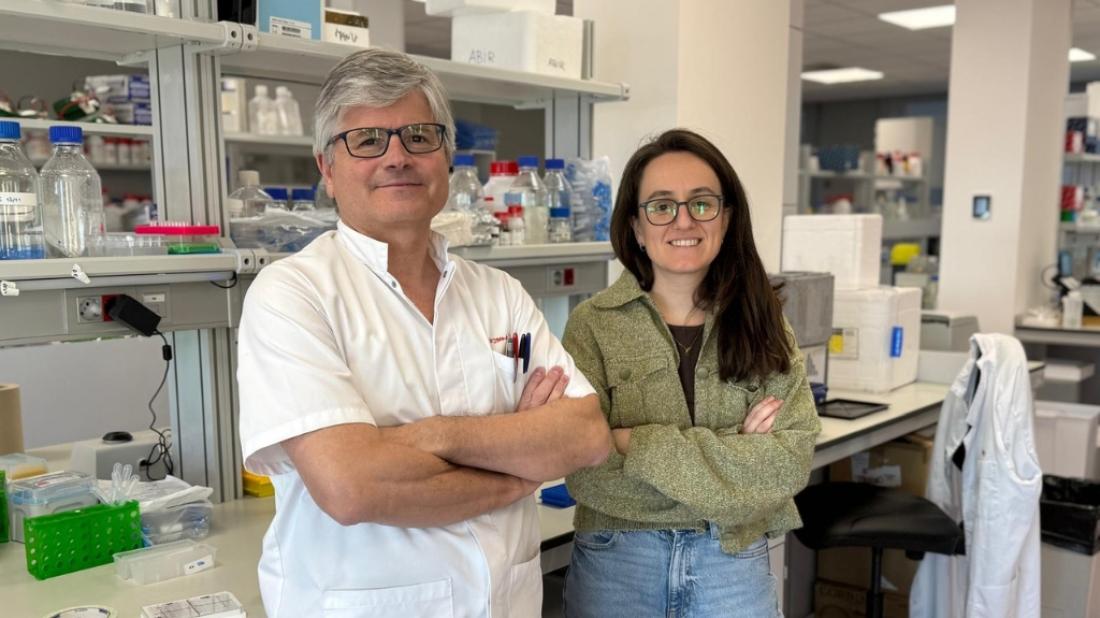
The study, led by the SJD Research Institute, identified the PRKG1 gene as a key biological component of rhabdomyosarcoma, showing the effectiveness of a specific drug at halting its growth in pre-clinical models.
A team led by the Institut de Recerca Sant Joan de Déu identified the PRKG1 gene as a key player in disrupting the muscle differentiation process of tumour cells in pediatric rhabdomyosarcoma. They have demonstrated, for the first time ever, that AKT-inhibitor-type drugs are effective when used in pre-clinical models, developed from patient samples taken at the SJD Barcelona Children's Hospital.
This breakthrough, published in Nature Communications, marks a significant step forward in finding new targeted therapies for this pediatric tumor – one of the most common and aggressive types in children.
The study identified the PRKG1 gene as a key biological component of rhabdomyosarcoma cases, and a possible biomarker for predicting which patients will respond better to treatment with ipatasertib, which is already being trialled for other types of cancer. Cellular and animal models have shown that tumors with higher levels of this gene have a more marked therapeutic response, opening the doors to a more personalised approach to treatment.
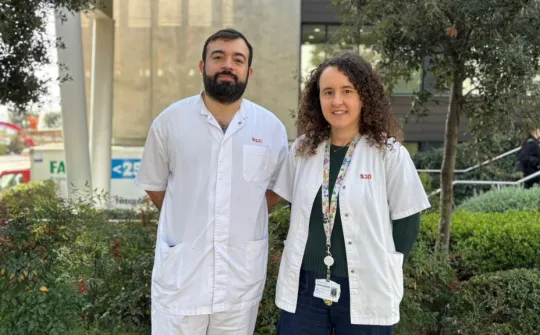
‘Having shown the effectiveness of this drug in models using samples from patients, we are hopeful that we can proceed towards more targeted, less aggressive treatments,’ explains Dr Estela Prada, Researcher in the IRSJD Sarcoma and Neuroblastoma group, and first author of the study. This research work had the support of the Hospital del Mar Research Institute, IRB Barcelona, the Barcelona Institute of Science and Technology (BIST), and the biotechnology company Nostrum Biodiscovery.
Cristina's family
This milestone was only possible thanks to the perseverance of the family of a young girl called Cristina, who sadly died from rhabdomyosarcoma. Her parents started a campaign that has raised over 600,000 Euros, with the help and support of the Leo Messi Foundation. It is also what allowed Estela Prada to join the research project.
Despite the huge step forward that demonstrating the effectiveness of a drug in pre-clinical models is, the research must go on. The next step is assessing this treatment in clinical trials with pediatric patients.

Related news