Patient portal

The SJD Barcelona Children’s Hospital created the SEGUIM Unit to meet the needs of patients that overcome pediatric cancer
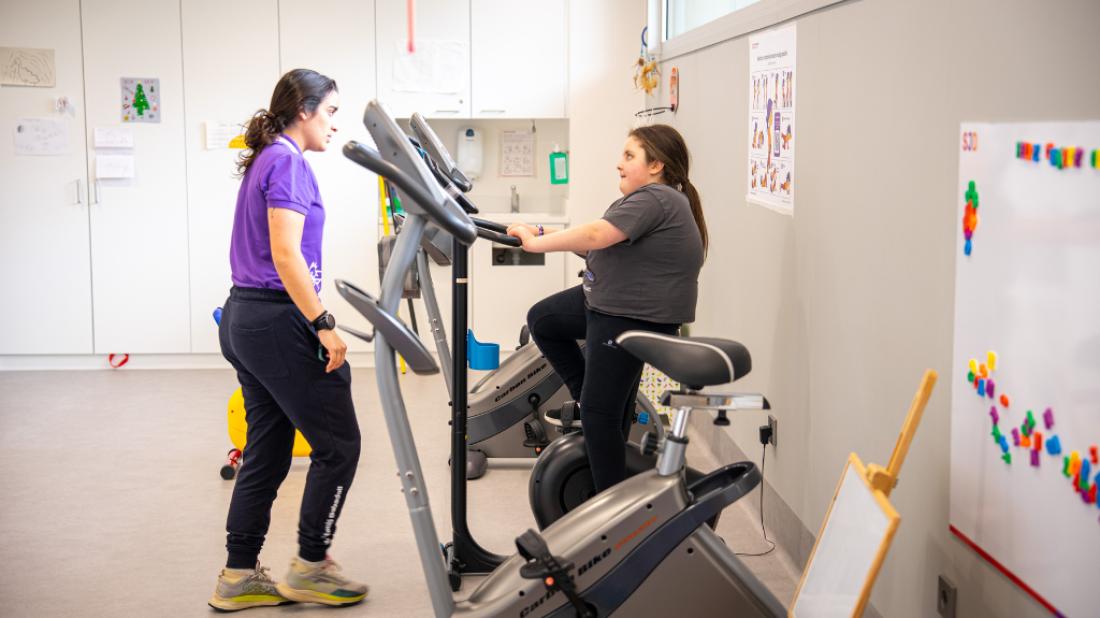
In 2025, around 700 patients with various oncological diseases were treated in this unit.
Therapeutic advances in the last few decades have helped pediatric cancer survival rates grow to the 80% they are today. This means that a greater number of children who have had cancer are reaching adulthood.
The increase in survival rates means that both patients and medical professionals have seen that the after effects of the treatments received also need to be treated. It is estimated that two in every three survivors will develop at least one late-onset complication that could compromise their physical development, cardiovascular health, or their endocrine or metabolic system, as well as their neurocognitive, emotional and social function.
This paved the way to the Long-Term Oncology Patient Monitoring Unit (SEGUIM) at the SJD Barcelona Children's Hospital. ‘We launched the SEGUIM Unit in summer 2023, named as such because “seguim” means “we follow” in Catalan and, essentially, we have been following these patients in a process that started back when they were diagnosed with cancer’, explains Andrés Morales, Clinical Director of the Pediatric Oncology Area and the SJD Neurooncology Unit.
‘During this new phase, when there is no longer any active disease, we identified problems—particularly psychosocial and cognitive issues—for which we had no satisfactory response, be that from the hospital or from the community’, adds Morales. From this need arose a unit that handles three significant areas of action: medical, psychosocial and neuropsychological.
In 2025, around 700 patients with various oncological diseases were treated in the SEGUIM Unit. Part of this department is only possible thanks to the donors who contributed to its creation and maintenance, in particular the Fundació d’Oncologia Infantil Enriqueta Villavecchia, the Fundación Marco Asensio and Ametller Origen.
One year after treatment
The main goal of the SEGUIM Unit is to ensure as high a quality of life as possible for those patients who previously had cancer, done through the early diagnosis, prevention and proactive treatment of side effects. It is also essential to facilitate a smooth transition into adult healthcare facilities. All patients who finished treatment one year ago or more are included in the unit.
‘Once the disease is gone, we still need to be there for the patient’, highlights Mari Carmen Molero, Oncology Nurse and Head of the Unit. ‘Once they pass the one-year mark after ending treatment, they come to our unit. We hold a meeting with their referring medical team to get to know their case and we decide on how to approach their transition here’. Molero underscores the fact that SEGUIM is not just medical-focused: 'Our approach is holistic. We care about how each patient is doing on an emotional, physical and social level’.
The SEGUIM team consists of pediatricians, oncologists, nurses, psychologists, neuropsychologists, social workers, nutritionists and physical therapists.
The lasting emotional effects of cancer
One of the key aspects that SEGUIM handles is the emotional impact of childhood cancer. ‘Some side effects are common to all patients, namely, the emotional effects’, explains Molero. ‘Their life has been turned on its head for so long and they struggle to go back to normality, despite longing to’. That is why the unit places particular importance on psychological and social support, incorporating professionals from any field necessary to provide the care that patients need. However, according to Molero, ‘we still lack resources’.
In addition, if they so wish, every patient above the age of 16 has access to an individual space where they can address any confidential, personal issues related to their health, emotional wellbeing or their transition into adult-centred care, to help promote their independence.
‘The feedback we receive is very positive, both because now patients have access to the care they need and also because they can get it here, at the SJD Barcelona Children’s Hospital, where they need it, also in coordination with the community and other healthcare facilities’, concludes Andrés Morales.
Get to know the unit
Related news