Patient portal

“Genetic studies have made it possible to increase the number of diagnoses of complex neurological disorders”
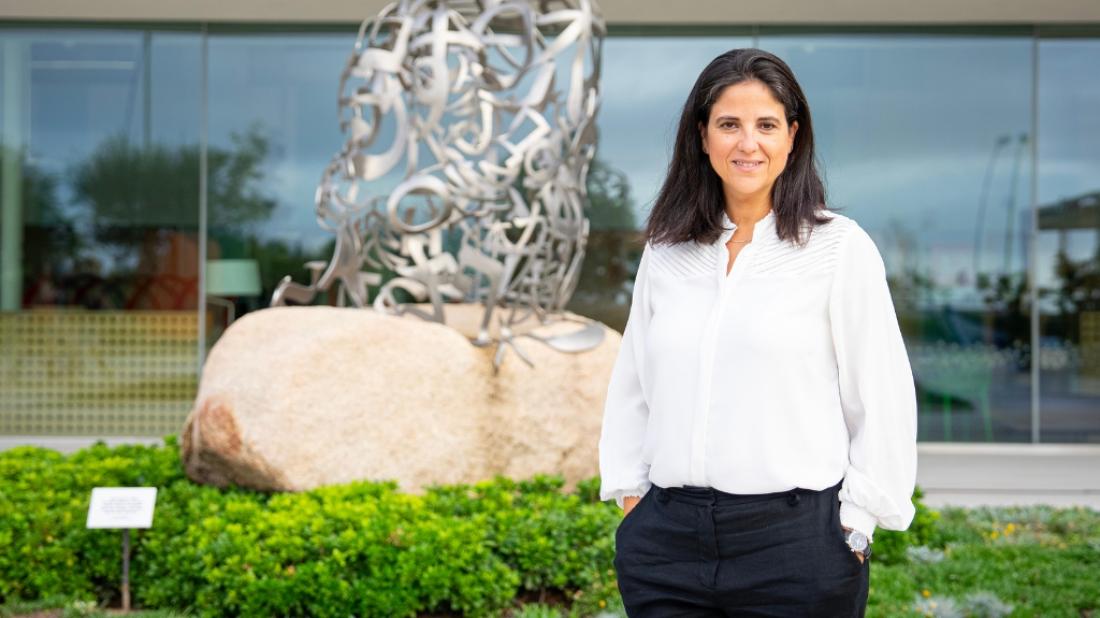
Carme Fons, Head of the Neurology Department at SJD Barcelona Children’s Hospital, discusses her career path and the current challenges facing paediatric neurology.
Dr Carme Fons always knew she loved science, particularly biology, physics and chemistry. However, the turning point came as a result of a personal experience: “My father was admitted to hospital and I found it fascinating to see how the patients were cared for,” she recalls. That moment led her to decide that she wanted to pursue a career in medicine: “I found my motivation and my vocation.”
After studying medicine and specialising in paediatrics, Fons discovered a field that was still underdeveloped in Spain: paediatric neurology. “I came to SJD Hospital, a leader in neuropaediatrics in the country, to train. Even so, there were areas where I needed to broaden my knowledge, such as neonatal and foetal neurology,” she explains. This desire led her to train for two years in the United States, at Boston Children’s Hospital – Harvard University.
At SJD Barcelona Children’s Hospital, where she is currently Head of the Neurology Department, her work centres on the study of the developing brain, particularly in the early years of life, and focuses on neurodevelopmental disorders and conditions such as early-onset epilepsy. “The aim is to improve diagnosis and treatment during particularly vulnerable stages,” explains Fons.
According to the doctor, one of the major advances in paediatric neurology in recent years has been the incorporation of genetic testing. “Twelve or fifteen years ago, we were able to make very few diagnoses; now they have increased by up to 50% in some cases,” she notes. This progress has improved patient care, but it has also presented new challenges: designing personalised therapies.
The SJD team
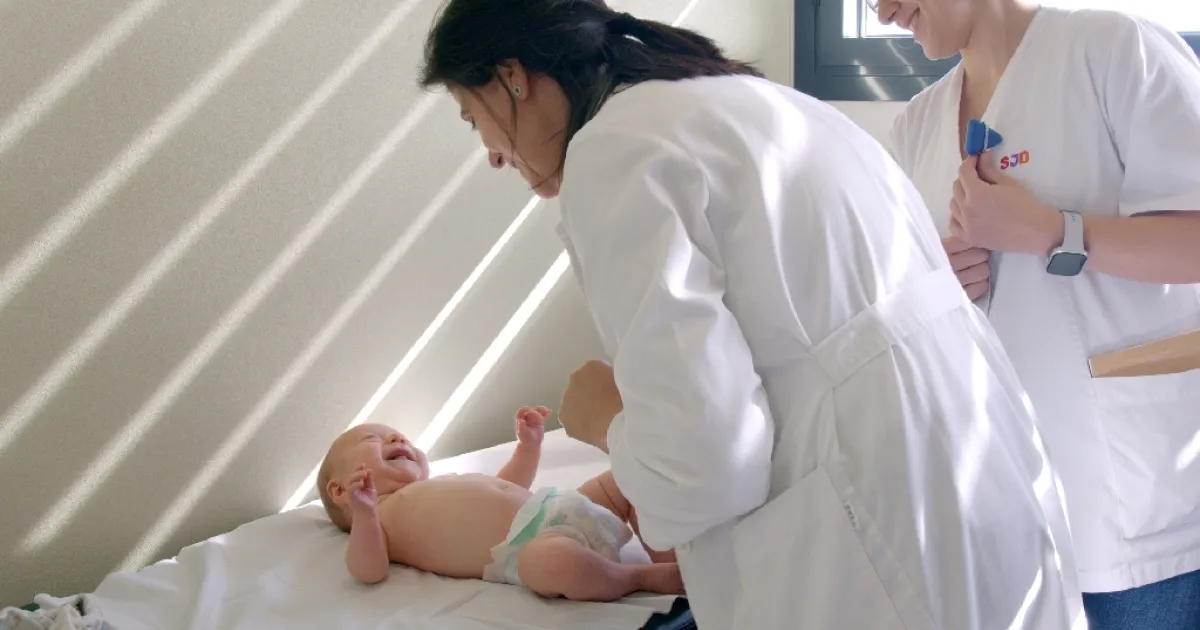
Carme Fons leads a department with over 50 years’ experience, comprising a team of 45 professionals — 35 neuropaediatricians, five neurophysiologists and five neuropsychologists — and treating around 22,000 patients annually. The model is based on units specialising in complex conditions combined with care for general neurological conditions. “We work as a well-oiled machine, with different specialists from the Hospital providing a multidisciplinary approach to each specific case,” she explains.
Furthermore, the Paediatric Neurology Department is part of various European Reference Networks (ERNs), which enable the sharing of knowledge and the management of highly complex cases. These networks of centres of excellence facilitate the exchange of expertise between professionals and ensure that national and international patients with rare conditions can access specialised care, even where there are very few cases worldwide.
Beyond the clinical and scientific sphere, Dr Fons highlights the human value of her work and that of the professionals at SJD Hospital. Contact with patients and families over the years creates deep bonds. “You learn to put yourself in the parents’ shoes and to be more understanding and tolerant,” she says. Despite the difficulty of many cases, for the doctor the greatest satisfaction comes when a treatment works or improves a patient’s quality of life: “That is the greatest satisfaction for a medical professional.”
Related news