Patient portal

A study helps predict the progression of disorders caused by the NKX2-1 gene that affect the brain, lungs and thyroid
The study, coordinated by SJD Hospital, shows that motor delay is often the first sign of the condition and that the type of genetic abnormality influences its progression.
An international study has analysed the largest cohort of patients with disorders linked to the NKX2-1 gene, also known as brain-lung-thyroid syndrome or benign hereditary chorea. These are rare genetic conditions that can affect the brain, lungs and thyroid gland.
The research, published in the journal Movement Disorders and coordinated by SJD Barcelona Children's Hospital, has collected clinical, genetic and neuroimaging data from 68 people with a confirmed diagnosis. The results suggest that delayed motor development is usually the first sign of the disease.
The study also confirms that most patients develop chorea, a movement disorder causing involuntary, jerky movements, often from the earliest years of life. Furthermore, newborns who experienced respiratory distress at birth were more likely to develop lung problems later on, which may help doctors anticipate potential complications.
According to the research, the type of genetic alteration influences the progression of the diseases. Some variants of the NKX2-1 gene are more closely linked to respiratory problems, whilst others are associated with movement disorders.
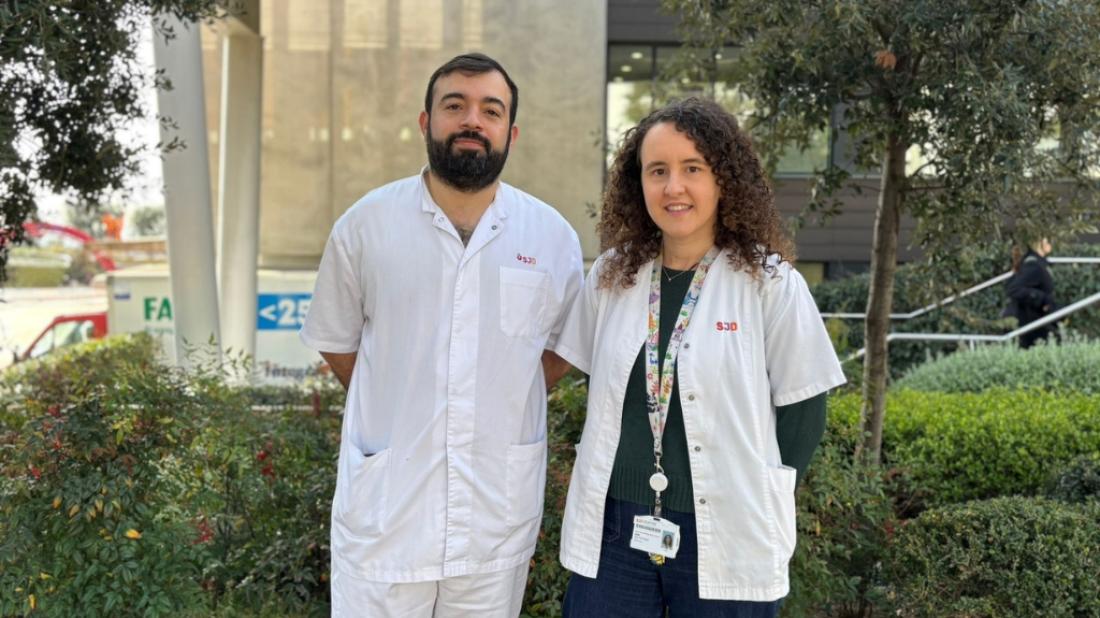
Laia Nou, a paediatric neurologist at Sant Joan de Déu and lead author of the article, and Darío Ortigoza, a researcher in the Paediatric Epilepsy and Movement Disorders group at the Sant Joan de Déu Research Institute, a paediatric neurologist at the hospital and co-author of the article, note that this study redefines clinical expectations for NKX2-1-related disorders. It demonstrates that early motor delay may precede chorea and that certain genetic variants are associated with specific clinical trajectories. These findings pave the way for earlier diagnosis and personalised care based on genotype.
Related news