Patient portal

"We want the chances of children with leukaemia being cured to be 100 per cent with the best treatments"
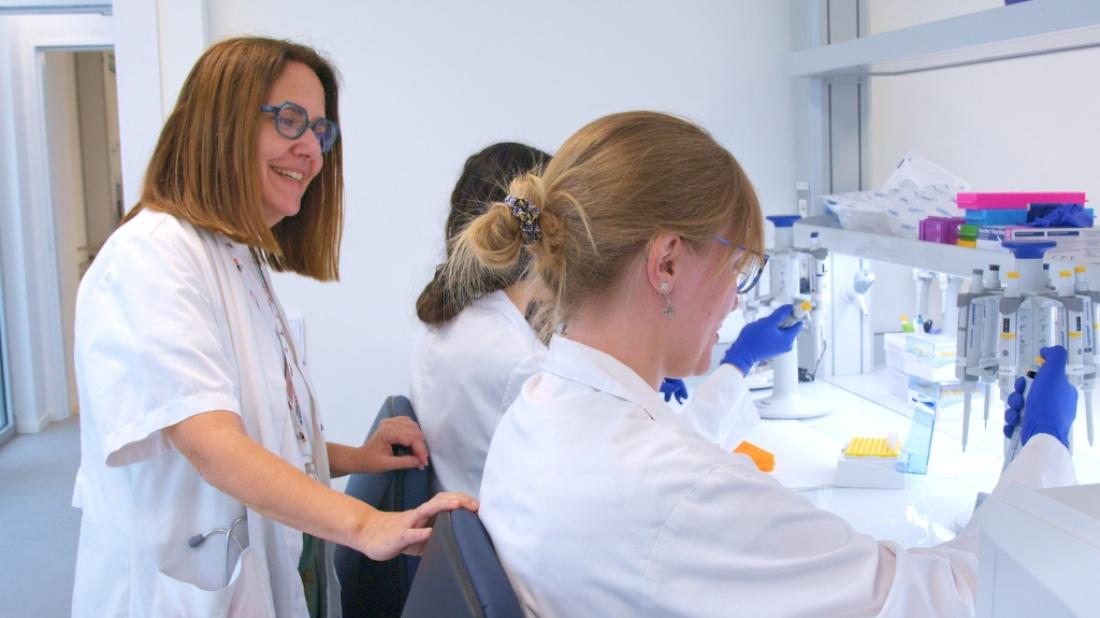
Susana Rives, a haematologist at SJD Barcelona Children’s Hospital, explains how the treatment of paediatric leukaemia has evolved and highlights the importance of research, personalised care and the use of new therapies.
"In the early 1960s, no child with leukaemia could be cured. When I started working in this field at SJD Barcelona, more than 20 years ago now, the chances of a cure had reached 70 per cent, and today, they stand at 90 per cent,” explains Dr Susana Rives, a haematologist at SJD Barcelona Children’s Hospital.
This significant transformation in the approach to the disease is due to improvements in treatments, more accurate assessment of each patient’s risk, and the incorporation of new techniques such as immunotherapy and precision medicine.
Dr Rives is a specialist in paediatric haematology and oncology and head of the Haematopoietic System Tumours Unit at SJD Barcelona Children’s Hospital. Since the start of her career, she has combined clinical practice with research, a link she considers essential for progress. “It is the families and patients who pose the questions you need to answer,” she explains.
Better and more personalised treatments
Rives explains that, over the years, treatments for these types of cancer have changed significantly. In this regard, being able to identify the risks and characteristics of each patient has been essential for tailoring the intensity of treatments—which, she points out, are toxic—and avoiding more aggressive therapies when they are not necessary. This ability to personalise each case has helped to reduce complications and long-term sequelae in these children.
The doctor also highlights the advent of strategies such as immunotherapy and precision medicine. In fact, Rives was one of the professionals who spearheaded the use of CAR-T therapies in paediatric patients at SJD Barcelona. The centre treated its first child with this therapy in 2016 and has since treated more than 140 patients and established an Advanced Therapies Platform within the hospital itself.
Rives’ research group is currently exploring new applications for immunotherapy, including for other types of leukaemia, and is investigating how to combine these new tools with conventional treatments to achieve better outcomes. “We won’t be satisfied until we achieve a 100 per cent chance of cure,” says Rives. The aim is to increase the chances of cure, but also to reduce the toxicity of treatments and improve quality of life.
Research and care, hand in hand
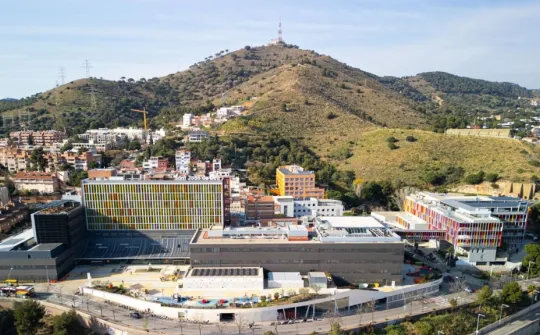
For Rives, research cannot be separated from patient care. Conversations with children and their families help to identify needs that subsequently lead to research projects. This connection is one of the cornerstones of the SJD Paediatric Cancer Centre Barcelona, the SJD’s specialist centre for paediatric cancer.
It is precisely at this centre that professionals treat increasingly complex patients with conditions requiring more specialised treatments. Among this group are families who come from other countries seeking alternative treatments. “International patients tend to be the most complex,” explains Rives, “as they are generally children for whom first-line treatments have not worked and for whom the available options are more limited.”
This complexity makes collaboration with other centres and specialists particularly important. Rives participates in Spanish and European research groups, which enables her to share knowledge and protocols, work on innovative clinical trials and translate research advances into patient care.
For Dr Rives, the motivation behind this work is very clear: “Ultimately, we are here to improve patients’ quality of life and to cure them.”
Related news