
 Patient portal

‘Únicas’ is the name given to a range of transformative projects in the field of rare diseases, all of which are rooted in collaboration.
Únicas was founded in response to the need to support the large number of patients with rare or undiagnosed conditions. Rare diseases are conditions that affect fewer than 5 people per 10,000 inhabitants, but collectively affect millions of patients worldwide. According to data from Orphanet and the Spanish Federation for Rare Diseases (FEDER), there are more than 7,000 such conditions, the majority of which are genetic in origin (80%), and in 75% of cases, symptoms appear in childhood, making them a priority public health issue. Globally, they affect around 400 million people, of whom approximately 3 million live in Spain.
Diagnosis remains one of the major challenges: despite advances in genomic medicine and mass sequencing technology, nearly 50% of patients are unable to get a definitive diagnosis. This delay, which can vary between 4 and 10 years, has a significant impact on the quality of life of those affected and their families, who face uncertainty and limited access to treatment.
Furthermore, 95% of rare diseases lack a specific treatment, which highlights the urgent need to promote more efficient research and care strategies.
Rare diseases at the hospital
patients with rare diseases who have been treated.
of our patients have rare diseases.
rare diseases treated.
Our 2024 Figures.
Únicas SJD: the hospital’s transformative strategy
In recent years, SJD Barcelona Children's Hospital —the hospital with the most pediatric care activity in the field of rare diseases in Spain and one of the largest in Europe— has developed a care model to address the growing challenges that these conditions pose on a daily basis for patients, families and the healthcare system as a whole.
With this in mind, a significant effort has been made to achieve excellence by obtaining accreditations on European, national and regional levels.
La Casa de Sofía was opened in 2022 – the first intermediate care center for pediatric patients with rare diseases and complex chronic conditions.
Determined to continue making progress towards establishing ourselves as a center of excellence in the field of rare diseases, the Hospital has been developing the ‘Únicas’ strategy since 2024. It involves a portfolio of transformative projects aimed at ensuring patients receive comprehensive, integrated and highly accessible care, incorporating telemedicine and digital transformation tools. It focuses on reducing the time taken to reach a diagnosis and on facilitating access to advanced and emerging therapies that can improve the quality of life of patients and their families.
Objectives of Únicas SJD
- To implement a comprehensive and integrated healthcare model across the region.
- To increase the provision of remote care to improve accessibility.
- To expand the use of telemonitoring for patients with rare diseases.
- To increase the diagnosis rate and reduce waiting times.
- To develop, produce and administer new, advanced and emerging therapies.
- Use data and artificial intelligence to drive forward diagnostics and new therapies.
- Ensure that the development of the established objectives addresses the real needs of patients and their families, through their direct involvement or by incorporating their views from the design, development and evaluation stages onwards.
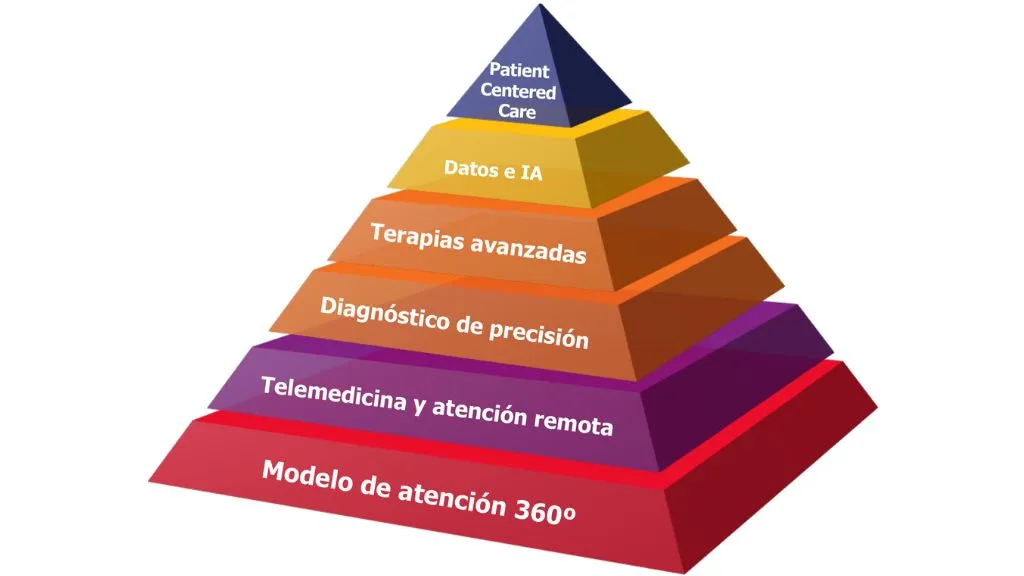
Únicas is working on the design and implementation of a comprehensive care model that is integrated with the rest of the region’s hospitals and health centers, with a view to providing high-quality care that meets patients’ actual needs.
360° Care Model
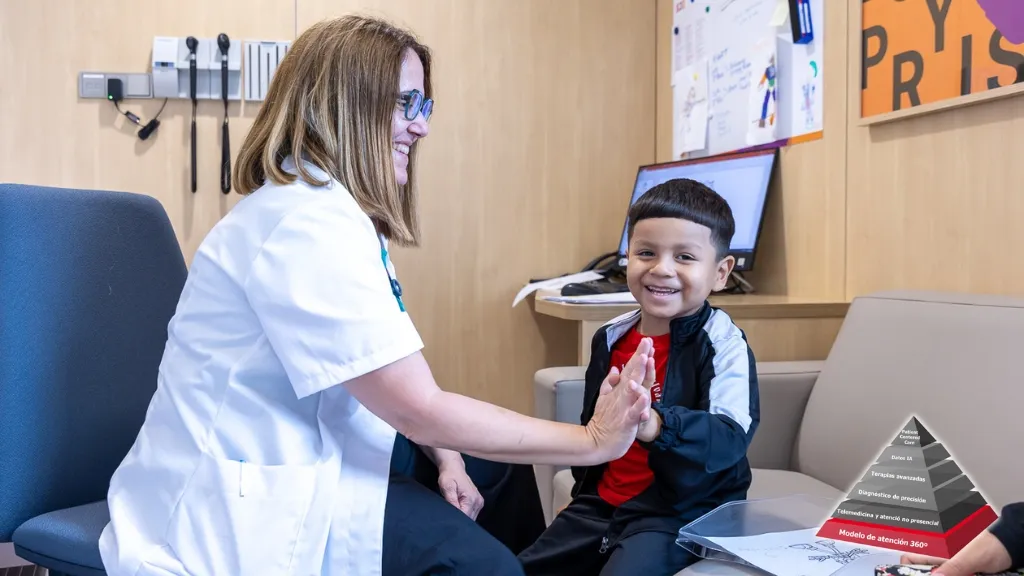
The fragmentation of care processes and limited resources have made it difficult for multidisciplinary care to provide a truly comprehensive response to people with rare diseases and their families. With this in mind, we are working on the design and implementation of a comprehensive care model that is integrated with the rest of the region’s hospitals and health centers. Our aim is to provide high-quality care that effectively meets patients’ real needs. The objectives are:
- To set up the Undiagnosed Patients Unit to speed up response times and ensure the best possible treatment until a diagnosis is reached.
- To coordinate care for chronic patients requiring ongoing support.
- To establish a coordination office working with the Catalan and national authorities.
- To adapt and improve the admission protocol for new patients.
- To improve the integration of research and education into the care model.
- Strengthen our transition model to optimise support for the Units.
- Develop an emotional support program to provide resources tailored to our patients’ needs.
- Continue to make progress on accreditations that help to improve and recognise the hospital’s specialist units.
- Improve the hospital’s governance model for rare diseases (adapting the CAMM to the 360° model).
- Move towards management based on the Value-Based Healthcare model (outcomes that matter to patients – PREMs and PROMs; clinical outcomes – CROMs; and cost of care).
Team
- Elena López Fernández, Nursing Support Coordinator.
- Jordi Antón López, Head of the Rheumatology Department
- Juan José García García, Medical Director
- María José Tojo Grandio, Head Nurse
- Mercè Jabalera Contreras, Director of Quality and Patient Experience
- Roser Francisco Bordas, Head of the Accreditation Unit
Únicas promotes equitable and sustainable healthcare by combining face-to-face and remote care to provide personalised healthcare services tailored to patients and their families.
Telemedicine and remote care

The steady increase in the number of patients with chronic conditions calls for a care model that ensures high-quality follow-up and personalised care. An approach is needed that integrates patients and their families into the healthcare process, using technology as a driver of change to improve efficiency and accessibility. To achieve this, a combination of face-to-face and remote care is required to provide personalised healthcare services tailored to the changing needs of the population, whilst maximising the effectiveness of available resources.
Contact Center
The project aims to transform the SJD Contact Center’s care model, moving from a traditional telephone-based approach to an omnichannel strategy, thereby improving accessibility, efficiency and the quality of care for patients and their families. The objectives are:
- To improve accessibility for patients and families by moving from a telephone-centered model to an omnichannel approach.
- To design a portfolio of services tailored to the needs of families affected by rare diseases at the hospital.
- To reduce response times by optimising administrative processes.
- To improve coordination between patients, families and healthcare professionals.
- To establish key performance indicators (KPIs) to assess service quality and improve the experience of patients and families.
- Implement predictive models and patient segmentation to provide responses tailored to their specific needs.
Clinical Command Center Telemonitoring Model
A project to develop and implement a comprehensive telemonitoring model for pediatric patients with rare diseases and complex chronic conditions within the Clinical Command Center. The objectives are:
- To develop a remote monitoring model for patients with rare diseases and complex chronic conditions, facilitating the early detection of complications and ensuring high-quality, continuous care outside the hospital.
- To implement a secure system for communication and data transmission between the patient’s home and healthcare professionals, enabling informed clinical decisions in real time and optimising the use of healthcare resources.
- To provide high-quality and safe care through telemonitoring, equivalent to or better than that provided in hospital, enabling patients to remain in their familiar surroundings whilst ensuring their safety and improving their quality of life.
Clinical Command Center telecare services
Únicas’ telecare model for monitored patients expands the eConsultation channel, optimising the patient experience and ensuring efficient, high-quality care. The objectives are:
- To facilitate remote care for patients with rare diseases through efficient channels (eConsultation, telephone consultations, video consultations).
- To promote the use of eConsultation on the Patient Portal to establish swift contact between patients/families with rare diseases and the relevant healthcare professionals.
- To encourage the use of the eConsultation platform across all services, ensuring universal access for patients to submit non-urgent enquiries to their follow-up services.
- To optimise the management of remote communications to improve the efficiency of healthcare services.
Team
- Cristian Launes Montana, Pediatrician
- Elena López Fernández, Nursing Support Coordinator
- Hernán Elías Lew, Digital Transformation Coordinator
- Laura Pavón Pérez, Outpatient Department Coordinator
- Mariona Fernández de Sevilla, Head of the Pediatrics Department
- Yolima Cossio Gil, Director of Digital Strategy and Data
Únicas focuses on increasing the diagnosis rate and reducing waiting times by maximising efficiency in the early and targeted identification of conditions. This results in faster and more personalised clinical decision-making through the use of advanced technologies.
Precision diagnosis
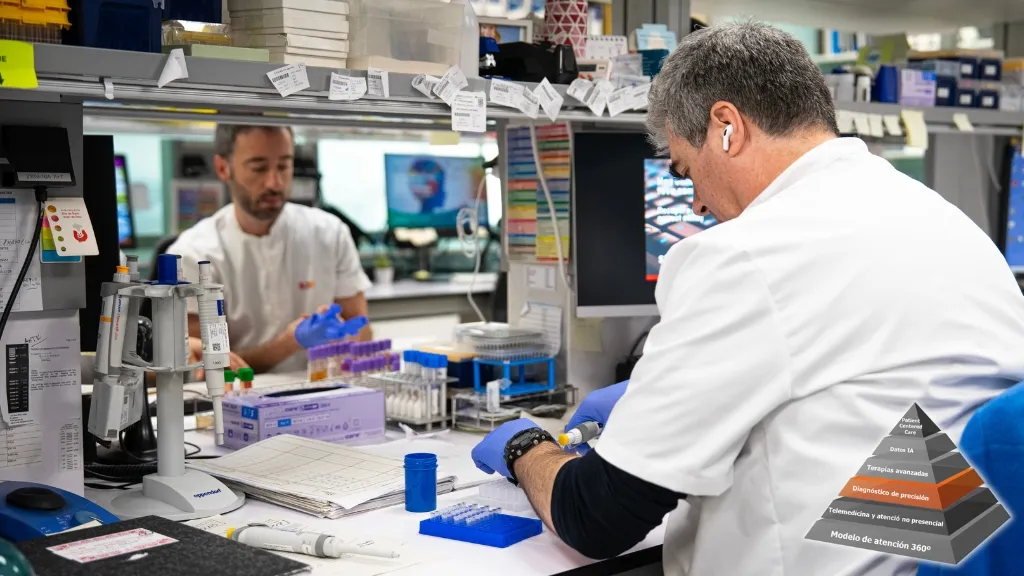
Within the precision diagnostics project, the aim of increasing the diagnostic rate and reducing waiting times is to maximise the effectiveness of the early and targeted identification of diseases. This leads to faster and more personalised clinical decisions, significantly improving health outcomes. The implementation of advanced technologies and optimised workflows is key to achieving this objective.
Commitment to UNE – EN ISO 15189 accreditation
The hospital is committed to the highest quality standards set out in the accreditation. The implementation of common standards enables us to offer patients safer, more accurate and more consistent care across hospitals, thereby strengthening trust and the quality of care. Furthermore, it facilitates integration into referral networks such as CSUR or XUEC. This commitment to excellence positions the hospital as a leader in innovation and networked collaboration.
Implementation of deep phenotyping to aid diagnosis using AI
The automation of phenotyping and the storage of clinical, laboratory and imaging data using artificial intelligence enables faster, more accurate and safer diagnoses. Overcoming the lack of specific tools facilitates the standardisation of processes and improves clinical efficiency. This technological transformation translates into a direct benefit for patients and greater diagnostic capacity for medical teams. The objectives are:
- Creation and implementation of specific software for the automatic collection of data.
- Implementation of specific programs for collecting clinical data from electronic health records.
Implementation of a new laboratory management system
This system improves traceability and enhances patient safety through unambiguous identification and automated labelling. Furthermore, it facilitates rapid and reliable access to results from different hospitals and will expand the availability of diagnostic techniques. This modernisation standardises processes and optimises laboratory efficiency, directly benefiting patients and healthcare professionals. The objectives are:
- To improve the management and operational efficiency of the laboratory across all areas.
- To improve the integration of laboratory data.
- To improve patient safety.
To improve the data infrastructure and diagnostic platforms
The renewal of the technological infrastructure and diagnostic platforms ensures greater security in the management of clinical data and significantly improves diagnostic capacity, whilst facilitating more streamlined, reliable processes that are adapted to growing demand. This modernisation has a direct impact on the quality of care and the patient experience. The objectives are:
- To adapt the data infrastructure to current and future needs.
- To increase the diagnostic rate for patients and provide greater security for their data.
Redesigning the Medical Genetics care model
The implementation of advanced genomic diagnostic programs makes it possible to significantly reduce waiting times, increase the diagnostic rate and offer more personalised support to patients with rare diseases.
This translates into faster, more accurate and personalised diagnoses, with standardised processes and greater access to specialists in Medical Genetics. Strengthening this area is key to improving equity, the efficiency of care and access to innovative therapies. The objectives are:
- To implement a comprehensive model of medical genetics care, integrated with other specialities, that meets the diagnostic, monitoring and treatment needs of patients and families with rare diseases.
- To integrate core genomic diagnostic projects into the care framework.
Re-engineering of diagnostic processes
Improved coordination of care processes enables the selection and performance of diagnostic tests to be optimised, reducing internal inequalities and speeding up access to results. This translates into faster, more accurate and more efficient diagnoses for patients. More integrated organisation promotes equity, quality of care and the rational use of resources. The aim is:
- To optimise the ordering and selection of tests, reduce time and costs, and improve diagnostic efficiency and the patient experience. To harmonise processes, agree on new protocols and ensure multidisciplinary coordination.
Team
- Cristina Jou Muñoz, Head of the Department of Pathology
- Emili Inarejos Clemente, Head of the Diagnostic Imaging Department
- Encarna Guillén Navarro, Head of the Genetics Unit and Strategic Director of Únicas SJD
- Fátima Núñez Mangado, Deputy Head of Innovation and Knowledge Management
- Susanna Gassiot Riu, Head of the Laboratory Department
- Toni Martínez, Head of the Medical Genetics Unit
Únicas is committed to accelerating translational research, promoting technological transfer, ensuring quality and safety in manufacturing processes, and facilitating equitable access for patients to cutting-edge treatments.
Advanced and emerging therapies
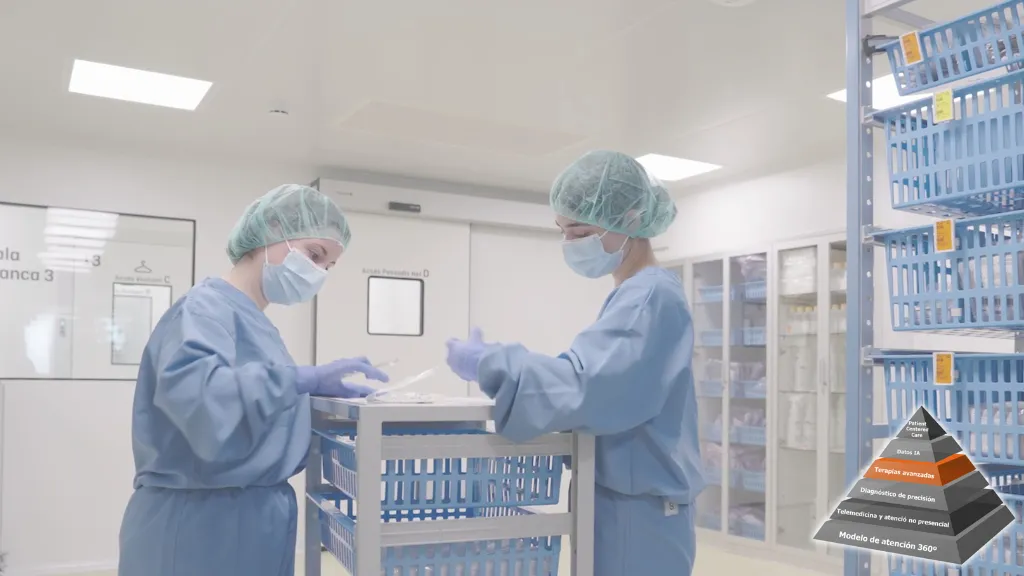
At SJD Barcelona Children's Hospital, we are committed to scientific progress to offer hope and solutions where they are most needed. Our commitment to the development, production and clinical application of advanced therapies stems from our deep conviction that every child deserves access to the best in biomedical innovation, regardless of the complexity or rarity of their condition.
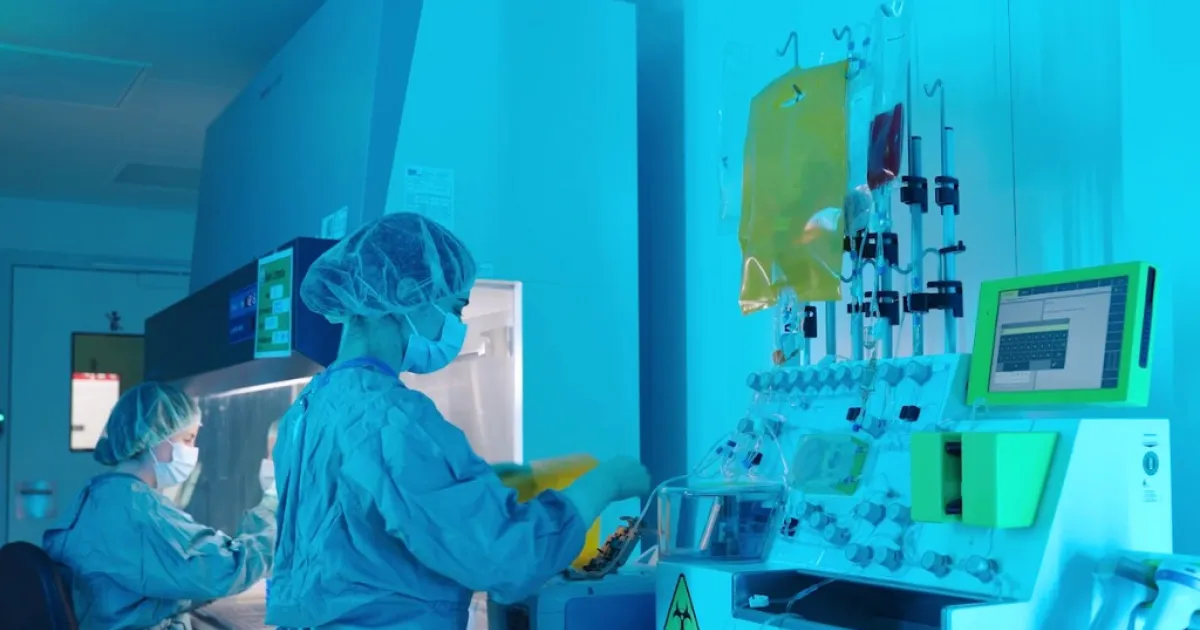
Through our multidisciplinary units and teams, we work to speed up diagnosis, drive research and bring cutting-edge treatments to pediatric patients. The Hospital follows a comprehensive strategy that combines pre-clinical research, its own GMP-compliant production facility and clinical excellence in providing access to innovative trials and therapies.
We believe in collaboration as a driving force for change: that is why we lead and participate in national and international networks that enable us to share knowledge and join forces so that no child is left behind. In this way, we offer personalised and equitable care, harnessing our full human and technological potential to ensure that the therapies of tomorrow reach patients today.
Find out about the Hospital’s Advanced Therapies Platform
Team
- Alessandra Magnani, Head of the Advanced Therapies Platform
- Fátima Núñez Mangado, Deputy Director of Innovation and Knowledge Management
- Joan Comella Carnicé, Director of Research, Innovation and Learning
- Joan Vinent Genestar, Head of the Oncology Pharmacy
- Joana Claverol Torres, Director of the Clinical Research Unit
- Laia Alsina Manrique de Lara, Head of the Allergy and Clinical Immunology Department and Coordinator of the CIS-UB
- Marta Duero Adrados, Head of the Pharmacy Department
- Rosa Farré Riba, Hospital Pharmacist specialising in specialised medicines
- Simón de Miquel Ribas, Junior Project and Strategy Manager
Únicas promotes the use of data analysis and artificial intelligence with the aim of significantly improving diagnostic accuracy and accelerating the development of new personalised therapies.
Data and Artificial Intelligence

To promote the advanced application of data analytics and artificial intelligence technologies, with the aim of significantly enhancing diagnostic accuracy and accelerating the development of new personalised therapies, thereby contributing to a more predictive, preventive and patient-centered approach to medicine.
Center of Excellence in Artificial Intelligence and Rare Diseases (CEIAMM)
The creation of a coordinated framework for artificial intelligence initiatives such as SJD Data Space, Twins and SJD Agents allows for new synergies to be generated, resources to be optimised and the implementation of innovative solutions to be accelerated. This strategic coordination drives research and improves the efficiency of care. As a result, patients benefit from earlier diagnoses and more personalised and effective care. The objectives are:
- To implement artificial intelligence solutions in healthcare at the SJD Barcelona Children's Hospital.
- To manage infrastructure and assess the impact on the diagnosis and treatment of rare diseases.
Twins
The development of a unified in silico simulation platform enables the creation of predictive scenarios that optimise both operations and clinical treatments. This transformative capability facilitates safer, more personalised, and more precise care. As a result, patients benefit from more accurate diagnoses, better-tailored therapies and a significant reduction in risks.
- The objectives are: To promote in silico research (which refers to the use of computer simulations, mathematical models and computer-based data analysis to study biological, chemical or medical phenomena) at the SJD Barcelona Children's Hospital.
- To optimise and improve health outcomes for rare diseases.
SJD Data Space
The creation of a unified and secure space for data exchange, based on federated networks and common standards, enabling more efficient collaboration between teams and centers. This infrastructure facilitates more accurate diagnoses, personalised therapies and the acceleration of clinical research. All of this translates into faster, more connected and more patient-centered care. The objectives are:
- To standardise ‘omics’ data (data derived from large-scale studies at different levels of biological information, known as the ‘omics’. These disciplines analyse the components of biological systems—such as genes, proteins or metabolites—on a massive and systematic scale to understand their function, interaction and relationship with diseases or treatments) in order to integrate them with the hospital’s clinical data.
- To develop federated networks for the exchange of patient information.
- To create platforms for data management, storage and analysis.
- To align with the OmiqHES project.
- To implement a data self-consumption model.
Ministry’s Únicas Network.
In addition to these projects, the team in this area manages the Únicas Network project for the Ministry of Health.
Team
- Hernán Elías Lew, Digital Transformation Coordinator
- Yolima Cossío Gil, Director of Digital Strategy and Data
Únicas guarantees a person-centered approach by ensuring that all projects undertaken as part of the strategy are fully aligned with the real and priority needs of patients and their families, thereby guaranteeing a person-centered approach.
Patient-Centered Care

To ensure that all projects undertaken as part of the Únicas initiative are fully aligned with the real and priority needs of patients and their families, thereby guaranteeing a person-centered approach that promotes equity, active participation and the continuous improvement of quality of life throughout the entire healthcare and research process.
Patient Journey for Rare Diseases
Carrying out a comprehensive mapping of the patient journey for those with rare diseases enables the identification of the main critical points in the care process. This detailed overview makes it easier to prioritise improvements where they have the greatest impact on the patient. This means progress is made towards more efficient, personalised care that is centered on their true needs. The objectives are:
- To establish a working methodology that covers all rare diseases.
- To map the rare disease journey with patients to identify pain points in the process and other areas for improvement.
- To co-design solutions with patients, families and healthcare professionals.
- To share the project’s results with other teams to co-design solutions that improve the management of rare diseases.
Digital solution
To provide families with a centralised digital space to get all of the latest information on the condition and the necessary resources they may require throughout their treatment. This environment also serves as a platform for personal and professional support and guidance. The objectives are:
- To develop a smart content aggregator for rare diseases.
- To use Generative AI to classify, summarise, adapt and personalise existing content.
- The ability to create automated micro-learning modules: summaries, adapted glossaries, short explanatory videos.
- To provide a semantic and contextualised search function for families.
Team
- David Nadal Miquel, Deputy Director of Quality and Patient Experience
- Juan José García García, Medical Director
- Marc Fortes Bordas, Director of ‘Escola de Salut’
- Maria José Tojo Grandio, Head Nurse
- Mercè Jabalera Contreras, Director of Quality and Patient Experience
- Patrícia Pagès Alonso, Deputy Head of Nursing
Únicas SJD’s Strategy: transversal projects
To draw more attention to rare diseases, the SJD Barcelona Children's Hospital aims to raise awareness of patients with rare and undiagnosed conditions by organising various events under the ‘Únicas’ umbrella, such as ‘Únicas Talks’ and ‘Únicas Hackathon’.
Únicas Talks
The SJD Barcelona Children's Hospital and the 'la Caixa' Foundation are joining forces to create a unique forum for dissemination and debate – the Únicas Talks seminars – to discuss the latest advances, perspectives and trends in patient-centered clinical management, as well as progress in the diagnosis and development of treatments for rare diseases.
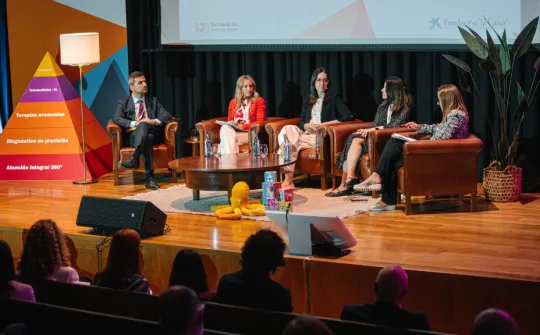
The event, which has seen the participation of public authorities, supporters, healthcare institutions and professionals from the sector, has established itself as a forum for dissemination and debate at this, its third edition.
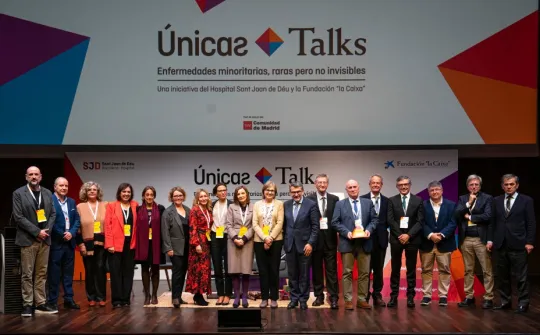
There are currently more than 7,000 rare diseases on record, 95% of which have no specific treatment.
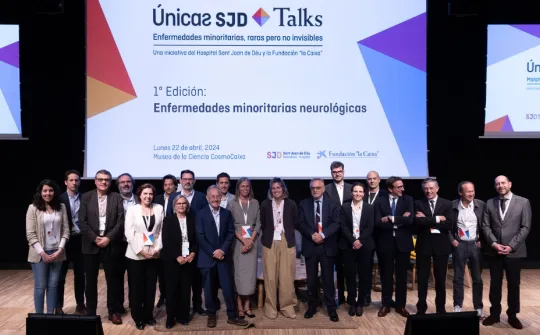
The forum, organised by the SJD Barcelona Children's Hospital and the "la Caixa" Foundation, addressed the challenges of diagnosis and the treatment options for these rare diseases.
Únicas Talks: We continue to make progress on finding solutions for unique needs
Watch the 10 presentations and panel discussions from the third edition of Únicas Talks on our YouTube channel. This event, held in Galicia, focused on the main challenges facing rare diseases: improving diagnosis through technological and clinical tools, promoting research and equitable access to new therapies, and tackling the organisational, logistical and financial challenges to ensure high-quality care in Spain and Europe.

Únicas Hackathon
The Únicas Hackathon is the first Ibero-American event of its kind, bringing together 140 specialists from 62 institutions across 14 different countries to tackle the challenge of arriving at the highest number of diagnoses from a selection of 12 cases. Following extensive preparation, experts in medical genetics, clinical laboratory genetics, bioinformatics, data science and other related fields worked intensively for 48 hours, fostering direct collaboration amongst themselves.
This inaugural edition took place in Murcia on 6 and 7 October 2025.
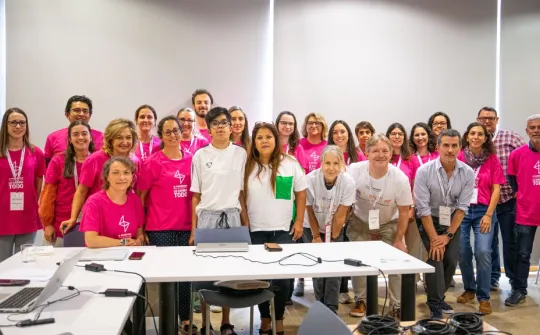
The direct diagnosis rate achieved at this first Únicas Hackathon is 50%, far exceeding the usual 20-30% achieved at these kinds of events.
Leadership and management team
- Encarna Guillén Navarro, Head of the Genetics Department and Strategic Director at Únicas SJD
- Carmen Santamaria Guasch, Management Director at Únicas SJD
- Ylenia Caro Palomo, Management Assistant at Únicas SJD
- Elena López Fernández, Coordinating Support Nurse in the 360° Model, Telemedicine and Remote Care department
- Núria Campmany Juan, Support Project Manager in the field of Diagnostics
Únicas SJD Building – Center for Precision Medicine
Únicas also represents the Center for Precision Medicine at SJD Barcelona Children's Hospital. This facility, situated 200 meters from the hospital, will bring together the most advanced research, diagnostic and treatment facilities and will be equipped with the most innovative technology. The Únicas Building will be one of the three largest centers of its kind in the world and will continue to care for the more than 30,000 children and adolescents suffering from rare diseases across all of the Spanish autonomous communities, with the aim of advancing diagnosis and treatment.
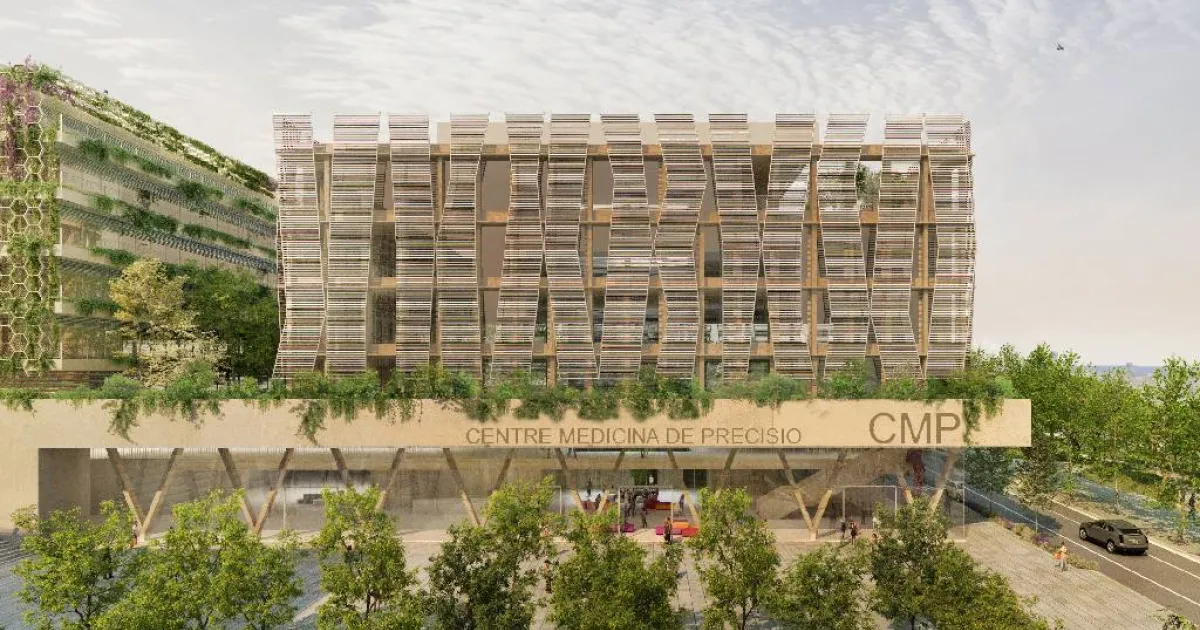
Únicas Network Spain – Ministry of Health
Únicas also represents other major projects that are driving progress in the healthcare model, diagnostics and the treatment of rare diseases.
In 2022, with funding from the Carlos III Institute, Impact3 was founded – a project whose main objective is to connect a network of six Spanish hospitals to create a federated database containing clinical and genomic information, to be used with analytical tools that will speed up diagnosis across the country.
Following on from this initial project, in 2023 the Únicas Network was created, spearheaded by the SJD Barcelona Children's Hospital and the Spanish Federation for Rare Diseases (FEDER), led by the Ministry of Health and funded by Next Generation funds under the cutting-edge health PERTE program. Its aim is to create an ecosystem of partnerships — currently comprising 30 hospitals — to provide a coordinated response to patients with rare diseases throughout their entire healthcare journey.
The network’s first milestone is the creation of a data platform for patients with rare diseases across Spain, enabling progress towards a network-based model of personalised care.
Objectives of the Únicas Network
- Let the data travel, not the patients: To treat pediatric patients with rare diseases at any node within the Únicas network as if they were at the center of excellence for their condition, regardless of where they live.
- Network-Based Personalised Care Model: To implement, across all nodes of the Únicas network, the common tools, processes and protocols that enable a new network-based model.
- To complement the current CSUR network in areas such as the patient’s perspective and the care provided by non-CSUR professionals:
- Únicas 360: focused on healthcare professionals and on enabling them to share information with one another.
- Únicas Channel: focused on the patient and the needs of families and carers.
- To provide a holistic, longitudinal view of the patient throughout the entire care process.
UNICAS Ambassadors at the Ministry of Social Justice:
- Roser Francisco Bordas
- Encarna Guillén Navarro
UNICAS Holistic Team at SJD:
- Hernán Elías Lew
- Yolima Cossío Gil
Specialised Departments and Units
The Pediatric Nephrology Department treats 400 patients a year with rare or ultra-rare conditions such as idiopathic nephrotic syndrome, X-linked hypophosphatemia and infantile nephropathic cystinosis.
The Pediatric Rheumatology Unit is a national and international center of excellence in the management of rheumatic diseases like juvenile dermatomyositis, monitoring more than 2,000 patients and making 600 new diagnoses each year.
More than 9% of patients treated at the SJD Barcelona Children's Hospital have complex rare diseases. The Pediatric Ophthalmology Department handles 18,000 consultations a year and focuses heavily on rare diseases.
The Pediatric Neuromuscular Diseases Unit treats approximately 1,000 patients with rare neuromuscular conditions.
The Pediatric Dermatology Department handles 7,000 consultations a year, 30% of which relate to rare or ultra-rare conditions.
News

Other projects
Plan that consolidates SJD Hospital as a center of high specialization in Paediatrics and maternal health at an international level.

A healthcare digitalisation project based on patient relations and data collection.