In line with the transparency policy at the SJD Barcelona Children Hospital, data regarding the center's activity is freely available to the public.
A look back at 2024
In the name of transparency, we make our data from the last five years public: data regarding our yearly activities, our work as a healthcare and research facility, and also other areas of interest.
Year Milestones
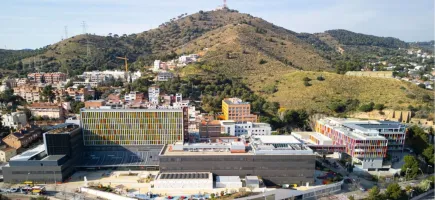
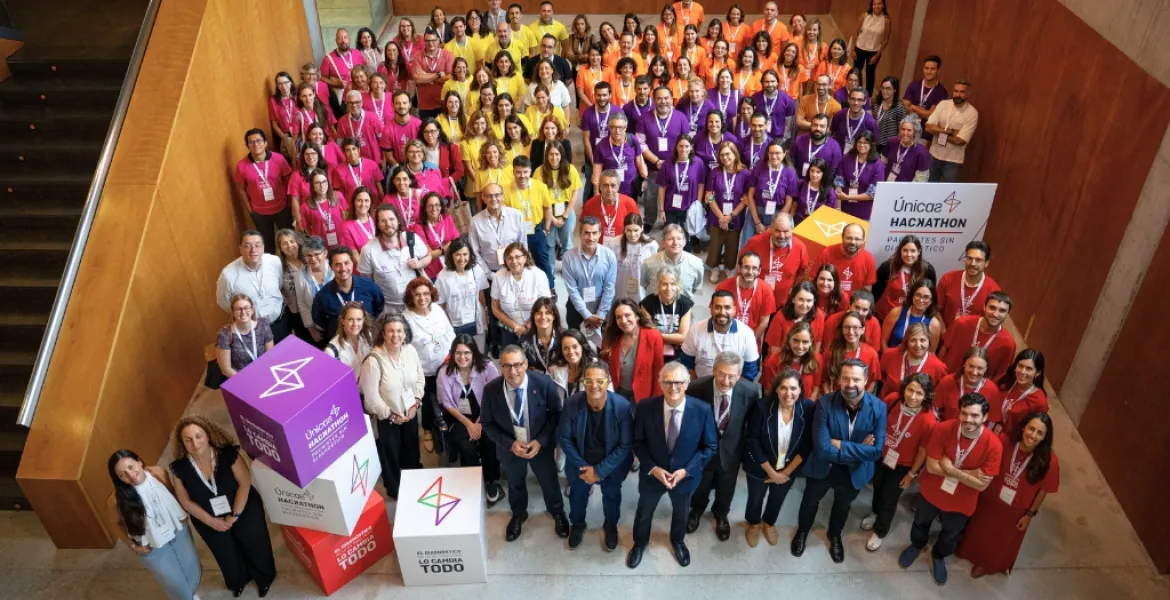
On 29 February, coinciding with Rare Disease Day, a celebration was held to lay the foundation stone of the Únicas SJD building, which will house diagnostic and healthcare devices related to rare diseases in the field of neuroscience.

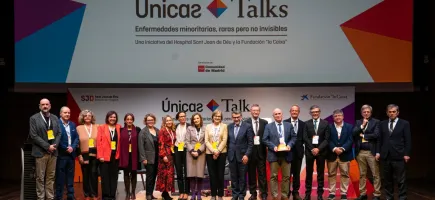
In April 2024, this first Únicas SJD Talks seminar was held, sponsored by the ‘La Caixa’ Foundation, with the aim of raising awareness and sharing knowledge and understanding of rare diseases.

In light of the increase in eating disorders and the rise of severe resistances to conventional treatments, the SJD Barcelona Children's Hospital launched the Minerva Unit at the end of 2023 to provide comprehensive treatment for severe eating disorders.

The hospital's quality assurance method, based on the EMC2 model, celebrated its 10-year anniversary in 2024. There have been a total of 139 projects implemented since 2014, with their impact felt across the entire hospital.

With the launch of the Congenital Cardiopathy Center Barcelona comes the minimally invasive surgery program, which, for the first time ever in Europe, is able to correct certain congenital cardiomyopathies with robotic surgery.

The Heart Surgery and ENT teams at the hospital successfully carried out a joint operation on an eight-year-old patient with a double malformation: a severe heart malformation called tetralogy of Fallot and severe tracheal stenosis.

Researchers in the Neuromuscular Diseases Unit have been the first in the world to use gene therapy to treat Duchenne Muscular Dystrophy in a four-year-old boy, part of an international clinical trial, with the participation of six facilities across several different countries.

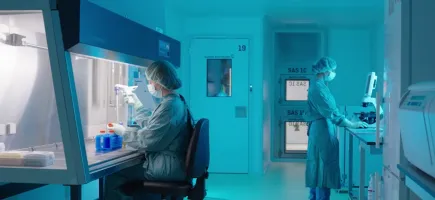
In 2024, construction of the Advanced Therapies Platform (ATP), a technological marvel, came to a close. The platform has a manufacturing area that meets GMP (Good Manufacturing Practices) standards, consisting of four specially designed cleanrooms intended to be used to manufacture various therapies (cell, gene, combination and tissue engineering).

In November 2024, the first edition of Henka's ‘Viva la Vida’ festival was held, a programme promoted by the SJD and the Z Zurich Foundation to promote the emotional well-being of adolescents and young people in order to prevent mental health problems.

The Cuida'm programme celebrated its twentieth anniversary in 2024. It has been 20 years of history for a project that has enabled 434 surgeries to be performed on children from more than 50 different countries.

The SJD Barcelona Children's Hospital hosted CHIEF 2024 (Children’s Hospital International Executive Forum), a meeting of the heads of the 50 most important paediatric hospitals in the world, among which the Hospital is the only Spanish centre.
Jointly with the Ministry of Health, the SJD Barcelona Children’s Hospital has played a leading role in the creation of a federated data platform, connected to 30 hospitals across Spain. The aim is to facilitate the exchange of the information needed to care for and monitor patients with rare diseases, as well as to generate new knowledge in this field. This technology will allow for real-time remote access to medical professionals and patients, while maintaining the highest safety and privacy standards, avoiding unnecessary journeys and improving the quality and efficiency of healthcare.
In 2024, the SJD Barcelona Children's Hospital finalised the governance and managerial structure of the internal development of the Únicas project, consolidating decision-making bodies that, together, directly manage around 40 people. Given the magnitude of the project, in order to facilitate its management, internal development of the Únicas project was split into six sub-projects: 360º care model, remote and telemedicine, diagnostics, advanced and emerging therapies, data and artificial intelligence, and, finally, patient-centered care. In turn, each sub-project is split into several smaller projects, until reaching a total of 24 internal development initiatives.
In 2024, the hospital was awarded JACIE (Joint Accreditation Committee of ISCT and EBMT) accreditation, a voluntary international certification of quality and safety in the field of hematopoietic stem cell transplantation (stem cells taken from the blood) and cellular therapy, ensuring compliance with international standards in collection, processing and administration of these types of therapies. Such accreditations allow for improved healthcare quality for patients and contribute to the hospital's reputation as a leading healthcare facility on both a national and international scale. SJD Barcelona Children's Hospital has closed the year with almost 70 external accreditations and 20 internal accreditations.
Curing and caring
International activity remained stable in 2024 thanks to the diversification of markets, with more than 1,000 patients in the year from 95 different countries, despite conflicts in Eastern Europe.
Stabilisation of international activity
International activity remained stable in 2024 thanks to the diversification of markets, with more than 1,000 patients in the year from 95 different countries, despite conflicts in Eastern Europe.
Thanks to the diversification of markets strategy, international activity has been stable with regard to the volume of requests, the number of patients treated and billing, all in spite of current serious military conflicts and their impact on Eastern Europe. More specifically, over 1,000 international patients were treated in the year, with a 7% increase compared to the previous year. These patients come from 95 different countries. Every day, 100 children are treated in the hospital. There are a total of 55 staff members working in this department.
The Neonatal Units at the SJD Barcelona Children's Hospital and Hospital Clínic have merged with Pediatric Intensive Care to form the new Integrated Critical Care Center – a model that consolidates care of critical patients by coordinating transversal departments and specialisms.
Formation of the new Integrated Critical Care Center
The Neonatal Units at the SJD Barcelona Children's Hospital and Hospital Clínic have merged with Pediatric Intensive Care to form the new Integrated Critical Care Center – a model that consolidates care of critical patients by coordinating transversal departments and specialisms.
The Neonatal Units at the SJD Barcelona Children's Hospital and Hospital Clínic have merged with the Pediatric Intensive Care Unit to form the new Integrated Critical Care Center. Although these units have been working closely since their inception, this merge represents an innovative new approach. It will allow for greater access to highly specialised, clinician-led programs aimed at patients, impacting three key areas: combined management of critical patients throughout their clinical course; coordination across both highly specialised and transversal healthcare areas; and improved quality and safety thanks to integrated programs and the use of data and artificial intelligence.
Between the two neonatal units, the new center has a total of 71 beds, making it the largest on a national level.
Staff at the SJD Barcelona Children's Hospital have diagnosed the first child in Catalonia with congenital adrenal hyperplasia thanks to neonatal screening – in July, the most severe form of this disease was added to the list of screened-for diseases.
First case of congenital adrenal hyperplasia in Catalonia diagnosed with heel test
Staff at the SJD Barcelona Children's Hospital have diagnosed the first child in Catalonia with congenital adrenal hyperplasia thanks to neonatal screening – in July, the most severe form of this disease was added to the list of screened-for diseases.
The Pediatric Endocrinology Department at the Hospital has been the first to diagnose a newborn in Catalonia with the most severe form of congenital adrenal hyperplasia (CAH). This disease was recently added to the neonatal screening program—or heel-prick test—coordinated and financed by the Generalitat de Catalunya’s Department of Health. This rare, genetic disease occurs in one in every 10,000-20,000 live births and results in insufficient cortisol production, which can have very serious repercussions, including death.
The patient was diagnosed at seven days old, meaning the child can safely start treatment and, consequently, avoid potentially life threatening situations.
More information
The most severe form of this disease was added to the list of screened-for diseases by the heel-prick test in July.
Operation at the SJD Barcelona Children’s Hospital to remove an anesthetic needle that broke off during routine dental procedure and migrated to the patient's brain.
Removal of intracranial needle
Operation at the SJD Barcelona Children’s Hospital to remove an anesthetic needle that broke off during routine dental procedure and migrated to the patient's brain.
During a routine dental procedure at a private dental clinic, the anesthetic needle snapped and migrated to the four-year-old patient's brain. The young girl was urgently taken to the SJD Barcelona Children’s Hospital, where the delicate surgical procedure to remove the needle was coordinated between the Maxillofacial Surgery and Neurosurgery Departments. Despite the severity of the situation, the operation was a success and the girl suffered zero neurological effects or damage.
This case highlights the importance of a coordinated response between various hospital departments, as well as the high surgical skill of the surgical teams. Due to the exceptional nature of the case, it was presented at the Spanish Society for Pediatric Neurosurgery congress.
Mia, seven years old, was urgently transferred to the SJD Barcelona Children's Hospital after a 10-meter fall while taking part in a castell (a traditional Catalan human tower).
Young girl operated after a serious head injury from human tower building
Mia, seven years old, was urgently transferred to the SJD Barcelona Children's Hospital after a 10-meter fall while taking part in a castells human tower building.
Despite wearing a helmet, Mia suffered a serious injury to her head and face, causing an open fronto-orbital fracture with multiple fragments. When she arrived at hospital, she exhibited a frank impairment to consciousness. The rapid, coordinated response by the multidisciplinary Neurosurgery and Maxillofacial Surgery teams was crucial, performing a full surgical repair of the cranial and orbital fracture, as well as an assessment of a small epidural hematoma. The patient's post-op progress in the ICU and hospital ward was excellent, as was her subsequent follow-up, confirming there were no additional complications.
The number of births at the SJD Barcelona Children's Hospital saw a 7.4% increase compared to the previous year, with a total of 3,559 births in 2024.
Increase in the number of births
The number of births at the SJD Barcelona Children's Hospital saw a 7.4% increase compared to the previous year, with a total of 3,559 births in 2024.
Despite a global fall in birth rates, there was a 7.4% increase in births at SJD compared to the previous year. The hospital’s position in the field of obstetrics, with its modern infrastructures and respected birthing model, is a very positive factor when attracting families.
The SJD Barcelona Children's Hospital is the first facility in Spain to treat pediatric patients with vasovagal syncope using cardioneuroablation.
First use of cardioneuroablation on pediatric patients to treat vasovagal syncope
The SJD Barcelona Children's Hospital is the first facility in Spain to treat pediatric patients with vasovagal syncope using cardioneuroablation.
Symptoms of the condition include a reduction or loss of consciousness due to deregulation in the sympathetic and parasympathetic nervous systems, causing a slowed heart rate that, in more severe cases, can even pause momentarily. This minimally invasive technique can avoid the need for a pacemaker, which is still the standard option for these more extreme cases. The team at the Arrhythmia Unit has been using this technique—more commonly used on adult patients—for the last two years. It consists of inserting a venous catheter through the groin before modulating the parasympathetic nerve clusters responsible for this disorder through ablation.
At the SJD Barcelona Children’s Hospital, eight patients have undergone this technique so far and, in 2024, a special training session was held for pediatric cardiology specialists from other hospitals in Spain.
The drug corrects the dysfunction caused by a genetic mutation, which has already been in use on adult patients since 2021, with very good results.
Administration of a new treatment for children aged two to five with cystic fibrosis
The drug corrects the dysfunction caused by a genetic mutation, which has already been in use on adult patients since 2021, with very good results.
The Cystic Fibrosis Unit at the SJD Barcelona Children’s Hospital—a leading unit in the diagnosis and management of this disease in pediatric patients—has begun to treat children aged two to five with cystic fibrosis caused by a specific genetic mutation. The treatment is a highly effective modulator that had already shown good results in children over the age of six.
When applied very early on in these patients, the treatment can completely change the prognosis of this progressive, chronic disease, as it will help preserve target organs from early infancy, ensuring the same life expectancy as the general population.
Knowledge
The SJD Research Institute (IRSJD) has developed and approved the Strategic Plan for Science and Innovation 2024-2027, involving over 120 people.
Development of the IRSJD Strategic Plan for Science and Innovation
The SJD Research Institute (IRSJD) has developed and approved the Strategic Plan for Science and Innovation 2024-2027, involving over 120 people.
Following the motto ‘Science for Hope’, the plan involves seven key strategic axes and 19 strategic objectives for the IRSJD, as well as a four-objective strategic axis to breathe new life into research conducted at other centers in the region. The model seeks to strengthen internal investigative talent, protect research time and ensure better access to patient samples and data, with the support of groundbreaking new technology and external alliances with established research groups, acting as a lever of change.
CERCA Accreditation consolidates the IRSJD into the Catalan research ecosystem, opening doors to new opportunities for growth, attracting talent and establishing strategic collaborations on both a national and international level.
Reaccreditation as a CERCA center
CERCA Accreditation consolidates the IRSJD into the Catalan research ecosystem, opening doors to new opportunities for growth, attracting talent and establishing strategic collaborations on both a national and international level.
One of the main aims of the IRSJD in 2024 was reaccreditation as a CERCA center (Research Center of Catalonia). The evaluation process was held at the end of November and the good news was announced by early 2025. The IRSJD—consisting of the SJD Barcelona Children's Hospital, the University of Barcelona, the Universitat Politècnica de Catalunya (UPC), the SJD Parc Sanitari and the SJD Research Foundation—promotes a unique model focused on research in the field of pediatric biomedicine, mental health and mother-and-child health.
The new solid tumor laboratories were officially launched and opened in 2024 thanks to donations from the ‘La Caixa’ Foundation.
The simulations program has become an integral part of the daily activity of the hospital across several patient and family-facing departments.
Use of simulation methods for training medical staff
The simulations program has become an integral part of the daily activity of the hospital across several patient and family-facing departments.
All teaching personnel are accredited by the Boston Children’s Hospital - Harvard Medical School Simulation Program. In 2024, there were 275 simulation-based activities conducted to train medical professionals, among which were the new in-person Neonatology training sessions for residents.
The aim is to encourage basic research in the field of pediatric cancer, with a targeted focus on translational science and future commercialisation of the obtained results.
Agreement with the Biomedical Research Institute (IRB)
The aim is to encourage basic research in the field of pediatric cancer, with a targeted focus on translational science and future commercialisation of the obtained results.
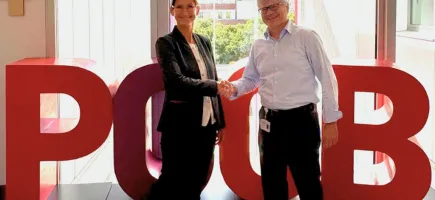
In March 2024, an agreement was signed with the Biomedical Research Institute (IRB Barcelona) to encourage basic research in the field of pediatric cancer, with a targeted focus on translational science and future commercialisation of the obtained results. The agreement is part of the strategy for scientific excellence of the IRSJD and the SJD Barcelona Children's Hospital, through which various partnerships are formed with prestigious research facilities in the field, all with the aim of bolstering collaborative research in pediatric disease, particularly in rare diseases.
The agreement also considers the opening of a new laboratory to study the specific vulnerabilities of pediatric tumors, with the aim of discovering new therapeutic approaches.
This program seeks to train future innovators and create fresh new solutions to unmet clinical needs.
Internal innovation program in mother-and-child healthcare
This program seeks to train future innovators and create fresh new solutions to unmet clinical needs.
The SJD Barcelona Children's Hospital has signed an agreement with BioCat, the institution promoting the d-HEALTH Barcelona program, to become one of the facilities to house the initiative over the coming three years. This program seeks to train future innovators and create fresh new solutions to unmet clinical needs.
In collaboration with the CataloniaBio & HealthTech Cluster—a cluster of more than 200 Catalonian biomedical companies—the SJD Barcelona Children's Hospital has organised the Hospital Connection workshops, which focus on the specific healthcare needs of the SJD Barcelona Children's Hospital, in order to present them to the industry to help identify and co-develop new solutions for the challenges recognised.
The report explores learning and neurodevelopmental disorders and proposes key strategies for preventing school failure.
Publication of the XIV Faros Report
The report explores learning and neurodevelopmental disorders and gives advice on how to avoid academic failure.
The 14th edition of the FAROS report was released in early October 2024, with heavy media attention: Learning and neurodevelopmental disorders. Advice for avoiding academic failure. The report, coordinated by the School of Health and the staff in the School Learning Disorders Unit (UTAE), also involved the hospital's Mental Health Area and Neurology Department.
The report is aimed at families, education and healthcare professionals, and also wider society. Its content details the broad field of neurodevelopmental disorders that have repercussions on the learning process. The authors discuss the progress that has been made in the development of the inclusive education model, despite the fact that most interventions suffer from a lack of prevention strategies and continue to be implemented after school failure.
The report highlights healthy habits that promote brain development, detailing an array of adaptations that can be implemented by schools to address neurodiversity.
A building near the Hospital has been fitted out for teaching activities, freeing up much-needed space in the SJD Pediatric Cancer Centre Barcelona building. It has four floors covering an area of 700 square metres, with three classrooms, indoor and outdoor catering areas, and work rooms for professionals.
Commitment and quality
Twenty-one families of SJD patients make up the current Family Association, some of whom are members since the year it was created.
Five years of the SJD Family Association
Twenty-one families of SJD patients make up the current Family Association, some of whom are members since the year it was created.
In 2019, the SJD Barcelona Children's Hospital launched a family association to better understand the family experience of hospital care processes and to listen to feedback and apply it to healthcare practice. Since then, on a monthly basis, around 20 families meet with quality assurance personnel for a joint session aimed at improving the patient experience in the hospital.
The SJD Barcelona Children's Hospital has ended 2024 with three new CSUR accreditations (pediatric arrhythmia, pediatric inflammatory bowel syndrome and eating disorders in early childhood with health service support devices). The facility boasts a total of 58 healthcare-related accreditations, including XUEC (Catalonia), CSUR (Spain) and ERN (Europe).
A total of 999 staff and volunteers attended training sessions on clinical safety.
We remain committed to patient safety
A total of 999 staff and volunteers attended training sessions on clinical safety.
To continue upholding our culture of safety, several activities have been reviewed and scaled up, such as the observation of safe practices with real-time feedback for healthcare staff, empowering key patient safety leaders across various fields, and the organisation of monthly clinical safety awareness campaigns. In addition, a total of 999 staff and volunteers attended training sessions on clinical safety.
In 2024, over 50,000 interactions with patients and families occurred across various channels, with social media networks being a new addition.
More ways for patients to make their voice heard
In 2024, over 50,000 interactions with patients and families occurred across various channels, with social media networks being a new addition.
In line with patient participation in EMC2 projects, and via the Family Association, over 50,000 interactions with patients and families were collected in 2024 across various channels (surveys, website, complaints, feedback), with social media networks being a new addition. The transactional survey system has been gradually expanded, which currently allows for the continuous collection of information from patient interactions across 10 healthcare fields and eight different devices.
The implementation of these new roles seeks to encourage professional development, allowing staff to perform tasks normally above their usual responsibilities.
New professional roles
The implementation of these new roles seeks to encourage professional development, allowing staff to perform tasks normally above their usual responsibilities.
In 2024, two new roles were defined—advanced practice technician in diagnostic imaging (DI), and porter coordinator—which are added to the previously defined roles, such as clinical assistant, lead nurse and advanced practice nurse, all very highly rated by patients and staff alike.
The implementation of these new roles aims to encourage professional development, allowing staff to perform tasks normally above their usual responsibilities. This means that staff members who hold less common, more specialist roles that were previously responsible for those tasks are able to dedicate more of their time to higher value tasks and activities.
There have been significant improvements made to the Intranet to help staff members with their daily tasks. Among the changes is the redesign of the landing page and the new section on social perks, EstarBé. In addition, improvements have been made to the search engine, security (migration to the cloud) and to accessibility and usability features.
Among the many developments, the Familiars program, emotional support groups and the Salut Games stand out.
Staff care program
Among the actions developed, the Familiars program, emotional support groups and the Salut Games stand out.
The SJD Barcelona Children's Hospital broadened its offering of social benefits to staff in 2024 with the launch of the EstarBé program, which aims to better cover factors that promote wellbeing and personal and professional balance.
Among the many developments are: the Familiars program (aimed at improving the involvement of family members with disabilities); emotional support groups (with monthly workshops for staff working in units with more complex patients); the personalised emotional support service; the Salut Games (an event promoting physical activity and healthy competition in the field); group training teams; or the summer program for children of staff members.
The SJD Talent talent management platform was launched in 2024. Its implementation began with the training module, and other features are expected to be rolled out gradually, with the aim of facilitating and promoting a culture of continuous learning and offering structured and personalised training.
Cyberhealth
The commission oversees any projects related to AI to ensure they align with organisational values and they can be applied effectively and sustainably.
Creation of the ENCERTA committee for AI deployment
The commission oversees any projects related to AI to ensure they align with organisational values and they can be applied effectively and sustainably.
The ENCERTA Committee was created to ensure that all AI innovations developed during 2024 are aligned with organisational values and can be applied effectively and sustainably in the hospital environment. The committee oversees any projects related to AI, establishing clear criteria for responsible use, ensuring that any AI-based solutions that are developed comply with the highest safety, ethics and efficiency standards. It sets out a solid framework for how this technology can be used in the future.
This infrastructure will provide the hospital with a disaster recovery system, with mirror imaging of equipment, improved cyberattack detection systems and the implementation of a new security back-up system.
Cybersecurity plan
This infrastructure will provide the hospital with a disaster recovery system, with mirror imaging of equipment, improved cyberattack detection systems and the implementation of a new security back-up system.
The SJD Barcelona Children's Hospital has continued its work to strengthen cybersecurity in its IT systems. A new server infrastructure has been installed that will provide the hospital with a disaster recovery system, with mirror imaging of equipment, improved cyberattack detection systems and the implementation of a new security back-up system.
Progress has been made in other aspects, such as the security plan suggested by the Catalan Cybersecurity Agency, the establishment of contingency plans for critical applications, cyberincident simulations, hospital-specific ENS (National Security Framework) certification, or the incorporation of cybersecurity training modules for all employees on the SJD Talent portal.
To evaluate the best option with regard to cloud usage, four different environments were reviewed and assessed in 2024.
Design of the Cloud strategy
To evaluate the best option with regard to cloud usage, four different environments were reviewed and assessed in 2024.
Firstly, the Microsoft cloud environment was prioritised in order to roll out the proof of concept for generative AI and, subsequently, to provide support for the core business servers of the Research Foundation. Simultaneously, in the Amazon cloud environment, a data analysis infrastructure is being built to test generative AI genotype coding and exome analysis.
In addition, the laboratory servers were successfully migrated to the private SEIDOR cloud environment. Finally, workloads were migrated to private cloud servers, which may prove useful as an alternative to public cloud systems for some cases.
The new platform welcomes the over 10,000 patients registered on the previous portal and includes over 40 different eConsulta diaries.
New patient portal
The new platform welcomes the over 10,000 patients registered on the previous portal and includes over 40 different eConsulta diaries.
The new patient portal was launched in 2024, welcoming the over 10,000 patients registered on the previous portal. Over 40 different eConsulta diaries are accessible, permitting communication between patients, their caregivers, and hospital staff. Thanks to the integration with HCIS, this portal allows patients to better meet their functional needs.
The new design offers greater versatility and tracking of various processes, such as appointment management or requesting reports by families. These improvements optimise patient care and offer an organised, accessible service. The aim is to continue broadening portal functionality, ensuring that more families can benefit from these digital services.
Compassion and kindness
In 2024, we also saw the introduction of the Guidelines on cultural diversity and beliefs in mother-and-child healthcare, with information on how to provide respectful healthcare in this regard.
Consolidation of the SAER healthcare program in providing patients and families with spiritual support
In 2024, we also saw the introduction of the Guidelines on cultural diversity and beliefs in mother-and-child healthcare, with information on how to provide respectful healthcare in this regard.
The Spiritual and Religious Guidance Service (SAER) is a key element of our patient-centered, comprehensive care model. Welcoming of all faiths and beliefs, it offers inclusive spiritual and religious support to patients and their family members. The SAER maintained its care model in 2024 and has also expanded into the Neonatal Department—growing by a cumulative 150% over the two years prior—and also increased its involvement with critical pediatric patients. New referral pathways have been created in the Neurology and Genetic Counselling Departments.
In 2024, we also saw the introduction of the Guidelines on cultural diversity and beliefs in mother-and-child healthcare, a document that details how to ensure healthcare provision that is respectful of cultural and religious beliefs.
The Social Work Department has continued to make significant contributions to the hospital’s comprehensive care model, offering psychosocial support to families with serious, complex or rare diagnoses, reinforcing coordination with both healthcare teams and also with community resources. In addition, it has actively worked to protect children's rights. Over the year, 3,714 families were seen.
New actions were put in place in 2024, such as group workshops for the siblings of neonates, the hospital storyteller initiative, and the Hospital Sensible project to improve the patient experience.
New initiatives from Hospital Amic
New actions were put in place in 2024, such as group workshops for the siblings of neonates, the hospital storyteller initiative, and the Hospital Sensible project to improve the patient experience.
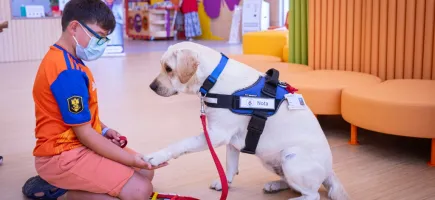
The Hospital Amic program, alongside the ChildLife service, contributes to a reduction in hospitalisation-related anxiety and fear. In addition to the already implemented hospital clowns, palliative art therapy, dog-assisted interventions and music therapy, more initiatives have been added, such as cinema sessions, astronomy workshops, magic shows or volunteer buddying, both one-to-one or in groups.
New initiatives were launched in 2024, such as group workshops for siblings of neonates, the storyteller for pediatric, neonatal and PICU wards, or the Hospital Sensible project to improve the experience of patients with neurodevelopmental, sensory and behavioral disorders. Finally, other notable improvements include the expansion of the program into the Minerva Unit for eating disorders and the broadening of PCCB activity.
New initiatives were developed in 2024, including the welcome tour of the hospital for CAR-T patients and patients recently diagnosed with oncological disease.
Volunteer companion programs
New initiatives were developed in 2024, including the welcome tour of the hospital for CAR-T patients and patients recently diagnosed with oncological disease.
The volunteer team has continued working with various departments at the SJD Barcelona Children's Hospital, in addition to offering specific support programs like The magic factory (a play-based initiative), educational support for Cuida’m patients, support during medical workshops (at weekends) and summer camps for patients with neurofibromatosis.
Several new initiatives were developed in 2024, including the welcome tour of the hospital for CAR-T patients and patients recently diagnosed with oncological disease This activity allows patients and families to get familiar with hospital facilities from their first encounter, contributing to a better experience.
Support has also been provided in the Emergency Department for immunocompromised patients waiting in the restricted area and the volunteer taxi program has been reactivated along with the volunteer program at schools near the hospital.
A new welcome guide has been designed, along with a welcome kit tailored to the patient’s age, and a sibling support service has also been implemented by the ChildLife team.
New humanisation program for the PICU
A new welcome guide has been designed, along with a welcome kit tailored to the patient’s age, and a sibling support service has also been implemented by the ChildLife team.
A comprehensive new project was designed and set in motion in 2024 to provide support for patients admitted to the PICU and their families so as to better tend to their physical, emotional and spiritual needs. Among the new support measures is a new welcome guide, along with a welcome kit tailored to the patient’s age, and a sibling support service has also been implemented by the ChildLife team.
The program also offers support for patients’ emotional wellbeing, with a reviewed analgesia and sedation protocol, the implementation of the nighttime rest program, and also a program for getting some fresh air with walks in the therapeutic garden. This family focus also led to the introduction of the ICU diary, where families can reflect on their experience. Finally, we must also mention the training activities for staff on delivering news to families and patients.
Cooperation and sustainability
The SJD Barcelona Children Hospital carried out several international cooperation initiatives as part of its charitable efforts.
International cooperation
The SJD Barcelona Children Hospital carried out several international cooperation initiatives as part of its charitable efforts.
Twinning with the St John of God Hospital in Lunsar (Sierra Leone)
The SJD Barcelona Children's Hospital continued its partnership with the St John of God Hospital in Mabesseneh, Lunsar, simultaneously launching several other initiatives, including:
- Resident rotations at the Lunsar hospital
- The Apadrina Program
- The Malnutrition Program
- The ICARIA Project
- The Erasmus+ HITIHE Project
- The AZIMUT Agreement
The Cuida’m Program
In 2024, the Cuida’m Program covered the costs of transfers and surgical procedures for 14 children. Six patients were treated by the Cardiology and Cardiac Surgery team, with the remaining eight treated by other specialisms. The children came from countries such as Morocco, Senegal, Algeria, Cuba, Venezuela, Benin, Tanzania and El Salvador.
This program was kept running thanks to contributions from 10 different donors, with particular support from the Fundación Infancia Solidaria.
SJD is striving to gradually reduce the waste it generates, restrict the use of anaesthetic gases, as well as to improve energy efficiency and increase the use of renewables.
Sustainability
The SJD Barcelona Children's Hospital is working hard to reduce its waste output, limit the use of anesthetic gases, as well as improve energy efficiency and use more renewable energy sources, which 100% of its energy now comes from.
New façade of the Maternity building and installation of solar panels
In line with the Sustainable Development Goals (SDGs), the hospital has taken several steps to promote sustainability and improve energy efficiency. As such, the façade of the Maternity building was renovated, with the installation of solar panels being a key feature. This initiative represents a significant step forward in the production of renewable energy in-situ and contributes to the reduction of greenhouse gases.
A safe, healthy and sustainable hospital
The Prevention and Environment Service continued its work in 2024 to guarantee the hospital is safer, healthier and more environmentally sustainable. Some of its initiatives include:
- Creation and implementation of a fire safety and specific evacuation plan for the Neonatal Unit.
- A psychosocial risk assessment for all staff.
- Organisation of workshops on patient mobilisation using minor assistive devices and hoists for transfers.
- Launch of the ‘Healthy Nutrition’ campaign for overweight or mildly obese professionals.
- Participation in the International Congress of Nurses.
- Launch of new campaigns—Stop plastic, Quirófano Verde [Green Theater]and Compra Verde [Buy Green]—to reduce the hospital’s carbon footprint.
Finally, we must mention the legal audit of the Prevention Service and the environmental certification renewal audit (ISO 14001 and EMAS) that took place in 2024, which confirmed the correct and proper functioning of the Management System of the Prevention and Environment Service.
Fundraising
The SJD Barcelona Children's Hospital was able to fund numerous programs, projects and lines of research in 2024 thanks to the support it received from individual donors, foundations, businesses and various other entities.
Fundraising
The SJD Barcelona Children's Hospital was able to fund numerous programs, projects and lines of research in 2024 thanks to the support it received from individual donors, foundations, businesses and various other entities.
Donations to the Únicas program
The SJD Barcelona Children's Hospital and the Amancio Ortega Foundation have signed a collaboration agreement to promote research into rare diseases. The Amancio Ortega Foundation will contribute almost €60 million towards the construction and kitting out of the new ‘Únicas SJD’ building, a pioneering international research and care facility for rare diseases. Donations from entities such as the Leo Messi Foundation, Stavros Niarchos Foundation or America's Cup will allow for the implementation of healthcare programs linked to the Únicas SJD project.
Charity events
- SJD Charity Night: The latest edition of Charity Night was held on 27 June, with a charity dinner and concert celebrated as part of the ALMA festival Barcelona aimed at businesses. There were almost 700 attendees at the event, sponsored and supported by 52 different entities. A total of €218,400 was raised, which will go to the Únicas SJD project.
- Third Inseperables gala: The ninth edition of the Inseperables gala was held in November, a charity dinner for families of patients, with hospital staff also in attendance. The gala was developed in collaboration with the CCIB (Barcelona International Convention Center) and, like in previous years, took the form of a hybrid event with two forms of participation (in-person or online from home) so that families living far away from the hospital could still take part.
Society initiatives: Hot Chocolate Party and the ‘RAC1 Solidarity Turrón’
In 2024, a total of 701 schools took part in the Hot Chocolate Party, alongside all kinds of entities such as sports clubs, small and large businesses, neighborhood associations, local councils and friend groups, who joined the initiative to help raise funds for pediatric cancer research. The more than €350,000 raised will go towards funding grants for six researchers from different research projects and two grants for irreplaceable laboratory team members, the lab manager and a biotechnician. In addition, the funds will also help pay for equipment needed for the tumor biobank, specifically, liquid nitrogen tanks for cryopreservation.
The ‘Solidarity Turrón’ campaign raised a total of €318,453 in its ninth edition, the highest figure raised since the project began. The initiative by RAC1 and Torrons Vicens has raised a total of €2,105,956 since 2015, all of which goes towards promoting research into rare diseases. As with previous editions, several projects from the BRAIN Project, which falls under the Únicas Network, will receive funding.
Related links
The SJD Barcelona Children's Hospital in figures. See our data on healthcare activity, research, teaching, charity, personnel and economic resources.