
 Patient portal

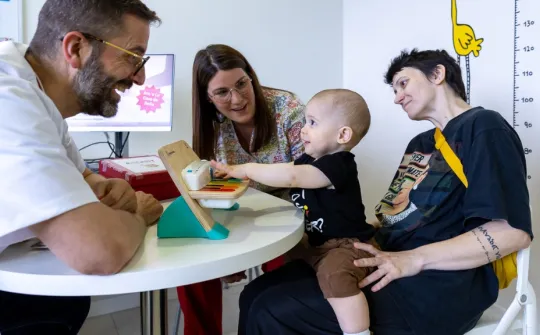
Ensuring a safe and healthy environment is key to mother and child health. At the Pediatric Environmental Health Unit, we work together rigorously to protect the environment in which our children are born, play and grow.
The Pediatric Environmental Health Unit is the specialised service at the SJD Barcelona Children's Hospital responsible for the assessment and management of environmental risks and related diseases, from before conception through to adolescence, providing clinical care and advice to families and communities.
We work to ensure that the environment in which families live and grow is safe and healthy, as we understand that human health goes hand in hand with the health of the planet.
Children and pregnant women are particularly vulnerable to their environment due to their physical, biological and behavioral characteristics. For this reason, from a planetary health perspective, an environmental approach to health, and especially for children, is both urgent and essential.
As such, the SJD Barcelona Children's Hospital has the Pediatric Environmental Health Unit within the Pediatrics Department, in collaboration with the Women's Health Department.
Internationally, pediatric environmental health units are known by the acronym PEHSU, which stands for Pediatric Environmental Health Specialty Unit.
According to the United Nations, up to 88% of the disease burden attributable to climate change occurs in children under five.
Why the SJD Barcelona Children's Hospital?
Children, especially in the early stages of life, are much more sensitive to environmental pollutants (air, water, toxins, noise, etc.).
Children's vulnerability to environmental risks
Children, especially in the early stages of life, are much more sensitive to environmental pollutants (air, water, toxins, noise, etc.).
Their immune system and organs are still developing, and exposure to these contaminants can have long-term effects. Therefore, a specific approach is needed to protect their health from the environment.
The SJD Barcelona Children's Hospital, as a leading hospital for mother and child health, has a responsibility to incorporate environmental impact into routine clinical practice. The Pediatric Environmental Health Unit enables us to take a step forward and provide more comprehensive care, connecting both environment and health.
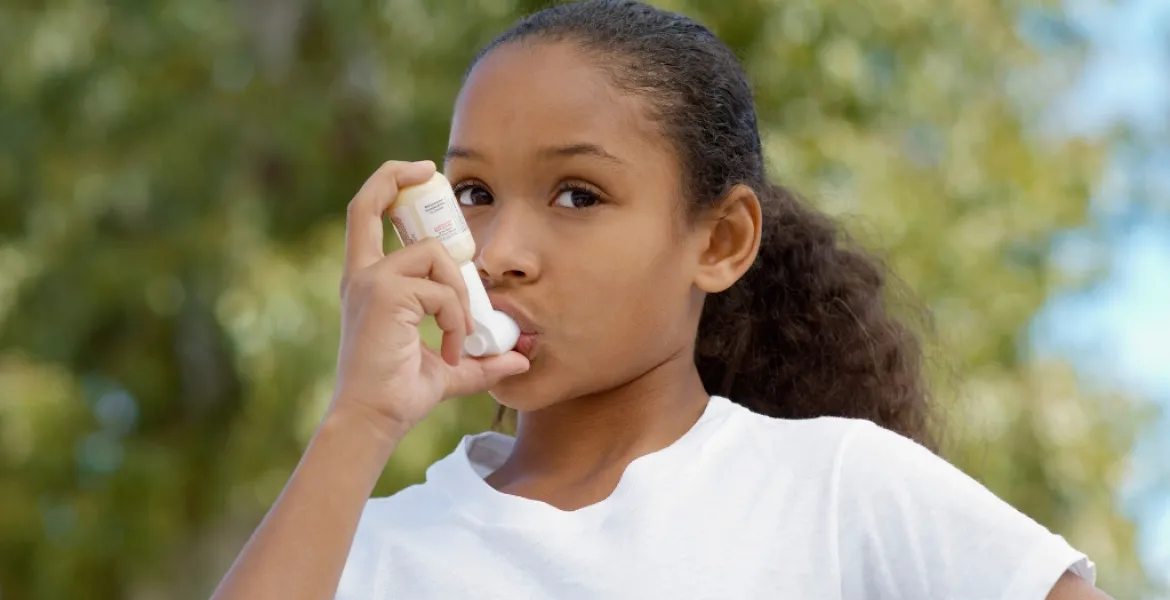
With this unit, the Hospital is committed to providing preventive and personalised medicine, stepping in to tackle environmental factors that can trigger or worsen diseases. This is especially relevant for conditions such as asthma, allergies, neurodevelopmental disorders or endocrine diseases.
The SJD Barcelona Children's Hospital is taking decisive steps towards becoming a center of excellence in the integration of pediatric environmental health as an essential part of its strategic pillars.
Commitment to sustainability and the health of the planet
The SJD Barcelona Children's Hospital is taking decisive steps towards to becoming a center of excellence in the integration of pediatric environmental health as an essential part of its strategic pillars.
Cutting-edge projects such as Únicas SJD and the Pediatric Cancer Center Barcelona present a unique opportunity to incorporate the exposome—the physical, chemical, biological and social environment—into personalised pediatric care, particularly in the treatment of chronic and rare diseases.
This innovative approach combines genomic advances with cutting-edge environmental monitoring technologies and biomarker research, enabling a better understanding of the complexity of diseases and the design of preventive and therapeutic strategies tailored to each patient’s individual profile.
The integration of environmental health represents a scientific and ethical commitment to delivering innovative solutions in a field where progress has traditionally been slow and fragmented.
At the same time, the SJD Barcelona Children's Hospital reaffirms its commitment not only to caring for patients, but also to contributing to a healthier and more sustainable future. This approach extends its work to areas such as sustainability, energy efficiency, healthy mobility and climate action, integrating environmental health as a key pillar in both clinical care and its social and environmental responsibility.
As such, the SJD Barcelona Children's Hospital is positioning itself as a national and European leader, integrating environmental health into research, training and knowledge transfer, promoting a healthy planet and ensuring a healthier future for generations to come.
This innovative care model marks a new era in healthcare practice, where clinical medicine and sustainability collide to provide comprehensive and responsible care.
Activities of the Environmental Health Unit
The Environmental Health Unit focuses its work on both providing care for patients with needs related to environmental health, and also on professional training, outreach, environmental management, research and innovation. In this activity, it has two important strategic partnerships: with PEHSU Murcia and the Barcelona Institute for Global Health (ISGlobal).
Care for patients and groups with specific environmental health needs
We offer personalised care to patients who may be exposed to environmental risks:
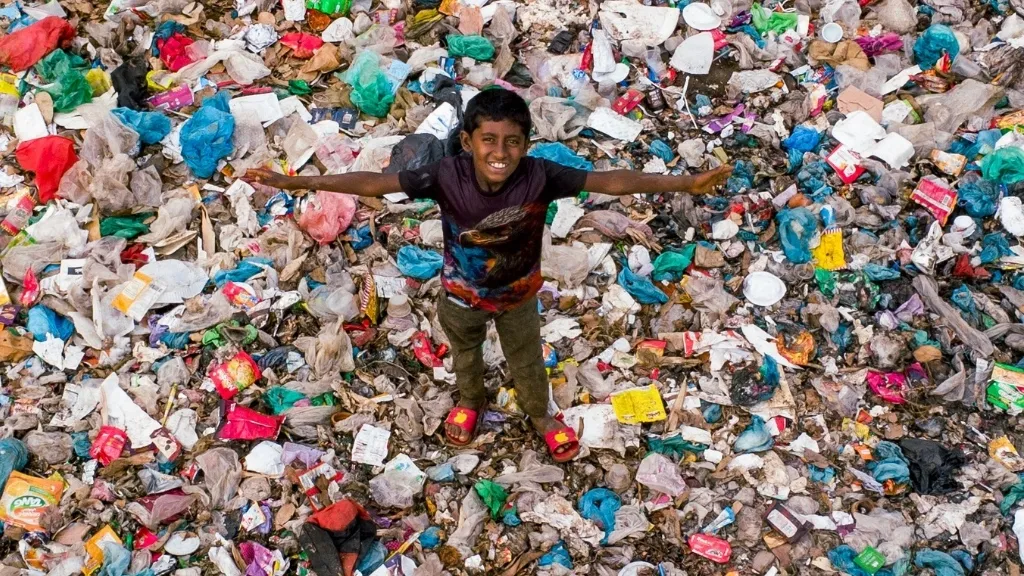
- Exposure to chemical contaminants, such as lead, pesticides, phthalates (substances added to plastics to increase their flexibility), etc.
- Indoor or outdoor air quality, in cases of asthma or other respiratory diseases.
- Situations of social and environmental vulnerability: in housing, environments with high levels of pollution, etc.
- Personalised recommendations to complement treatment, for example, for patients undergoing long-term oncological monitoring or patients with precocious puberty.
- Promoting the concept of Planetary Health from the pediatric consultation.
- We carry out a comprehensive assessment of the child and their family's environment, provide guidance and propose preventive or corrective measures. We also work in partnership with social, educational and community services to deliver holistic care.
When to consult the Pediatric Environmental Health Unit
It would be appropriate to contact or refer to the Pediatric Environmental Health Unit for diseases caused or induced by environmental factors that require further information or risk assessment.
The indications for referring or consulting a PEHSU center are as follows:
Some consultation cases
Children's exposure to tobacco, cannabis and other drugs: offering cessation therapy and management of exposure prevention.

Chemical risk during pregnancy and breastfeeding: you can consult about chemical safety, to undergo an assessment and establish recommendations to follow (alcohol, illegal drugs, occupational exposures, medications, etc.).
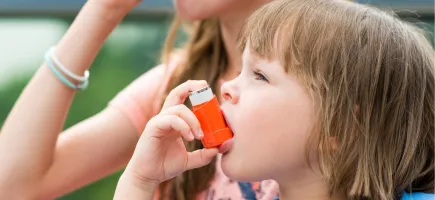
Questions about the relationship between diseases and environmental risks.

Newborns and children at risk of neurodevelopmental disorders due to prenatal exposure to alcohol and other illegal drugs.
Environmental risk assessment for children with chronic or environmentally related diseases (clinical assessment, etiological and prognostic clinical impression, and exposure–effect markers).
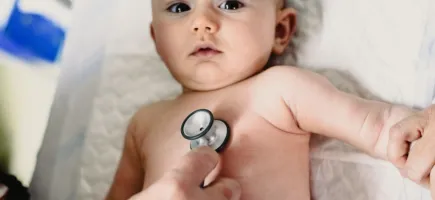
The pediatrician suspects an environmental cause of the yet-unknown disease, which requires an individualised and personalised risk assessment.
Specialisms and services
From the Environmental Health Unit, we provide care in close collaboration with various specialisms and services at the SJD Barcelona Children's Hospital.
Other activities
We contribute to raising public awareness of environmental risks and how to prevent them.
Community outreach and consulting services for agencies
We contribute to raising public awareness of environmental risks and how to prevent them.
We take part in:
- Environmental awareness and education campaigns aimed at families and schools.
- The production of educational materials (articles, guides, infographics, videos, etc.) through the Escola de Salut (Health School) at the SJD Barcelona Children’s Hospital and other communication channels.
- Community events and activities in collaboration with local organisations.
In addition, we offer technical advice to public administrations and health or environmental organisations, at local, national and international levels, with the aim of promoting evidence-based public policies focused on children’s health.
Hospitals, as high-activity environments with a high potential for pollution, require special measures. From a planetary health perspective, we work in collaboration with other departments and units within the hospital to reduce and control the pollution associated with our healthcare practices.
Environmental management at our hospital
Hospitals, as high-activity environments with a high potential for pollution, require special measures. From a planetary health perspective, we work in collaboration with other departments and units within the hospital to reduce and control the pollution associated with our healthcare practices.
Our objectives are to improve the quality of care for our patients, to ensure the safety of our staff, and to protect the health of the planet, all while showing the utmost respect for the social and natural environment of our healthcare centers.
To achieve these objectives, we collaborate with various services and departments within the Hospital on the following initiatives:
- Measuring the center’s carbon footprint to identify opportunities for reduction and environmental improvement.
- Preparing and publishing a sustainability report in accordance with VSME and GRI standards, which structure and systematise the organisation’s environmental, social and governance information.
- Disclosing the main environmental pollutants resulting from hospital activities, as well as seeking safer and healthier alternatives to minimise pollution in healthcare practices.
- Promoting the use of responsible practices to prevent pollution.
- Support the development and use of environmentally safe materials, technologies and products.
- To educate and inform political and healthcare institutions, suppliers, professionals, consumers, students and all affected sectors—with particular attention to children—about the impacts of healthcare activities on environmental health and possible solutions.
- To collaborate in the promotion and implementation of proactive policies to reduce the use of and exposure to legal and illegal drugs in the healthcare setting.
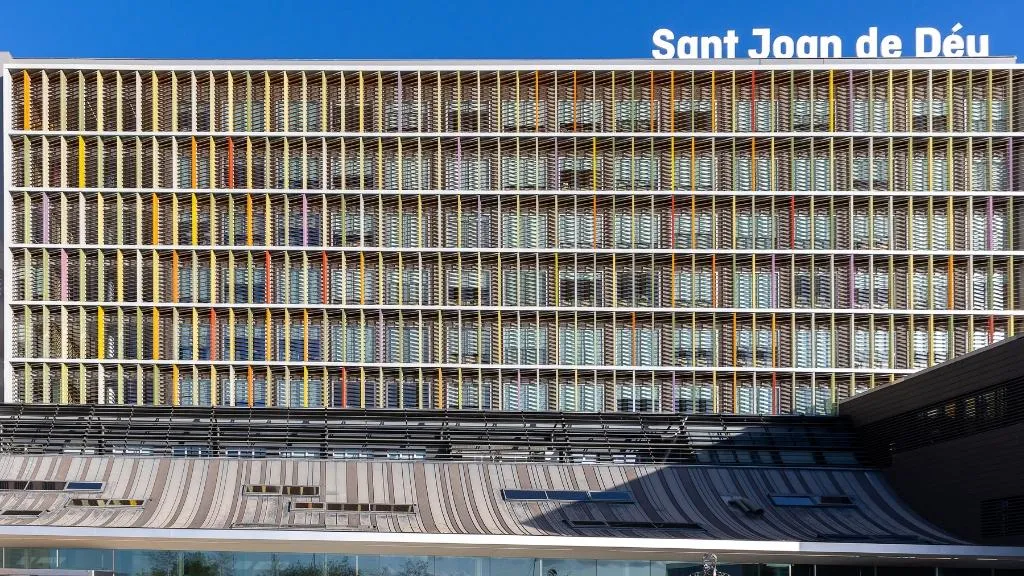
Facade refurbished in line with energy efficiency criteria
One of the objectives we set for the unit is to ensure that schools have the skills and knowledge in environmental health.
School environmental health
One of the objectives we set for the unit is to ensure that schools have the skills and knowledge in environmental health.
To achieve this, we focus on:
- Understanding the particular vulnerability of children to environmental toxins, especially in the school environment.
- Identifying, at a basic level, the main environmental risks present in schools.
- Recognising some of the effects on the health of children and young people associated with environmental exposure and implementing protective measures.
- Developing skills to create action guidelines on school environmental health within the framework of formal education.
- Contributing to improving the environment and the quality of life of children and adolescents.

Team
The Pediatric Environmental Health Unit at the SJD Barcelona Children's Hospital is led by Dr Elena Codina, Deputy Coordinator of the Environmental Health Working Group of the Societat Catalana de Pediatria (Catalan Society of Pediatrics), and Secretary of the Environmental Health Committee of the Asociación Española de Pediatría (AEP - Spanish Society of Pediatrics).
We also work jointly with the leading network of pediatric environmental health in Catalonia.

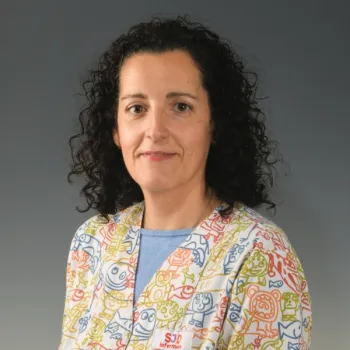

- Juan Antonio Ortega García, Consultant.
Research
The Pediatric Environmental Health Unit promotes and participates in research projects concerning the impact of environmental factors on mother and child health, with a clear translational focus that allows for its application in clinical practice.
The research focuses on studying the impact of the environment on chronic (cancer, diabetes, cardiovascular and respiratory diseases, among others) and rare diseases, as well as identifying innovative strategies to improve prevention and personalised treatment, exploring creative solutions that help optimise clinical outcomes.
Our main research lines are:
- Air quality: studying the impact of exposure to air pollution (outdoor and indoor) on children's health, with special attention to the most vulnerable stages of development and to those chronic diseases most affected by poor air quality (cancer, respiratory diseases, etc.).
- Endocrine disruptors: analysing how chemicals present in the day-to-day environment, such as plastics, cosmetics or pesticides, can interfere with the hormonal system and affect child growth and development, also assessing the impact of exposure during vulnerable stages (pregnancy, puberty, etc.).
- Contact with nature: investigating the benefits of contact with natural environments on the physical and mental health of children with chronic and rare diseases, as well as the negative effects of a lack thereof.
Some examples of ongoing or completed projects in this area:
- Airtopia: an innovative project that brings together design, health and technology to improve indoor air quality and the well-being of people in enclosed spaces. The aim is to create an intelligent system capable of measuring, analysing and controlling air pollutants to ensure a healthy and energy-efficient environment within the Hospital.
- AYRA: an innovative platform for the environmental monitoring of pediatric patients at home. It responds to the growing commitment to creating a 'Liquid Hospital', meaning that patients and their families have to visit our center as little as possible. Its aim is to monitor the quality of outdoor and indoor air in homes and to provide reliable, real-time data to healthcare professionals and families, acting as a preventative tool to improve the environmental quality of the home and, therefore, the health of children.
- Collaboration on the 'Active Families: Health and Nature' program to promote healthy habits within the family through physical activity in the Parc de les Planes (L'Hospitalet de Llobregat), with the aim of preventing childhood obesity.
We work in collaboration with research centers, universities and national and international institutions.
Teaching
The unit has a teaching function, promoting education, training and advocacy in paediatric environmental health. We provide training for healthcare professionals (paediatricians, obstetricians, midwives, nurses, social workers, etc.) and non-healthcare professionals (biologists, environmental scientists, chemists, architects, engineers, teachers, etc.) so that they can identify and address environmental problems in their professional practice.
We organise:
- Clinical sessions and seminars for healthcare professionals (paediatric trainees, paediatricians, obstetricians, etc.)
- Practical workshops.
- Training materials and protocols.
- Courses, placements and professional rotations.
- Collaborations with universities and professional schools.
The aim is to integrate the environmental perspective into routine clinical practice and other disciplines, improving the capacity for response from an inter- and transdisciplinary perspective.