

 Patient portal

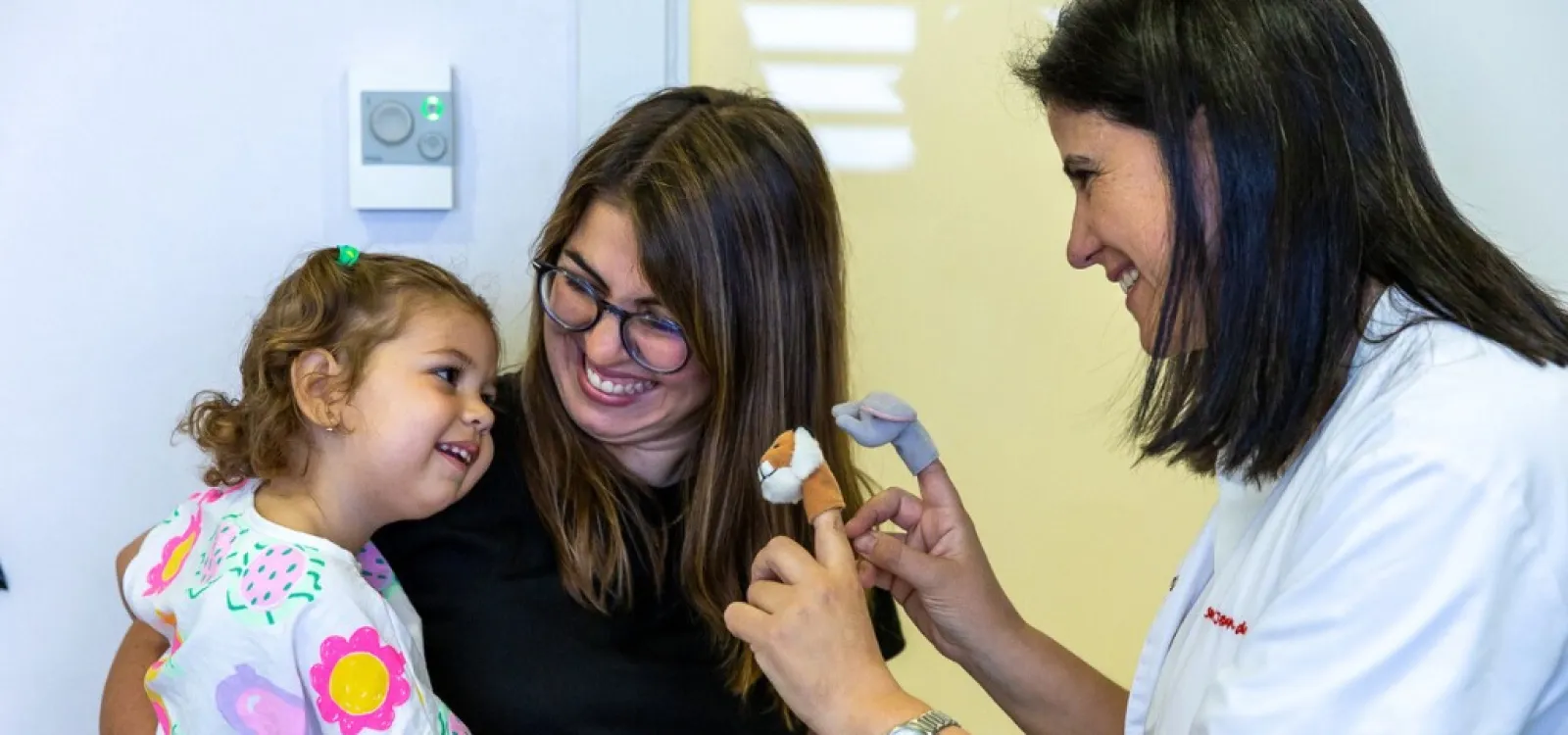
We treat all types of childhood epilepsy. To ensure correct, early diagnosis, our Epilepsy Unit is completely integrated into the Neurology Area at the SJD Barcelona Children's Hospital.
Why treat childhood epilepsy at the SJD Barcelona Children’s Hospital?
A leading European center with more than 20 years of experience at the Childhood Epilepsy Unit.We are one of the leading centres in Europe for the diagnosis and treatment of childhood epilepsy. We have coordinated the European Reference Network for Rare and Complex Epilepsies (ERN-EpiCARE) since 2023.
We have facilities dedicated to video-EEG monitoring, ensuring optimal study of all kinds of drug-resistant epilepsy, at all ages.
In-house access to all available tests and medical knowledge to provide an early diagnosis to all neurological diseases associated with epilepsy.
We are experts in using available medications, with a high level of competence in pre-surgical assessment and epilepsy surgery. We continually contribute to clinical trials to help develop new treatments, including gene therapies.
We are one of the leading centres in Europe for the diagnosis and treatment of childhood epilepsy. We have coordinated the European Reference Network for Rare and Complex Epilepsies (ERN-EpiCARE) since 2023.
We have facilities dedicated to video-EEG monitoring, ensuring optimal study of all kinds of drug-resistant epilepsy, at all ages.
In-house access to all available tests and medical knowledge to provide an early diagnosis to all neurological diseases associated with epilepsy.
We are experts in using available medications, with a high level of competence in pre-surgical assessment and epilepsy surgery. We continually contribute to clinical trials to help develop new treatments, including gene therapies.
Accreditations
- ERN-EpiCARE, the European Reference Network for Rare and Complex Epilepsies, alongside Hospital Clinic.
- The Spanish Government's Ministry of Health (CSUR) for the diagnosis and treatment of drug-refractory epilepsy in children.
- XUEC in rare pediatric heterogeneous epilepsy that responds poorly to treatment, with a consequent impact on the patient's quality of life.
What is childhood epilepsy?
Epilepsy is a group of heterogeneous disorders, meaning it is due to multiple causes (such as brain injuries or genetic, metabolic, infectious or immune diseases).
Epileptic seizures can appear at any age, manifesting in various ways, and they are the first, or often primary, symptom of a neurological disease.
Epilepsy can impact neurological development, quality of life, education and/or life expectancy.
Around 75% of epilepsy cases first appear in childhood. The majority of affected children can improve their quality of life by getting a precise diagnosis and the right treatment.
It is estimated that there are more than 160 rare types of epilepsy, a figure that grows each year as more new genetic forms of epilepsy are discovered.
Adding to these are the extremely complex cases of focal epilepsy, which often benefit from a pre-surgical assessment and, when indicated, surgical treatment.
Early epilepsy diagnosis
Early diagnosis of the subjacent neurological disease that is causing the epilepsy is a crucial step. It will inform treatment options (surgical or non-surgical), serve as a baseline for genetic counselling, and will help establish a prognosis.
At the SJD Barcelona Children's Hospital, we have cutting-edge equipment and methods to render an epilepsy diagnosis:
- Video EEG monitoring to study brain activity and to establish the location of epileptic foci.
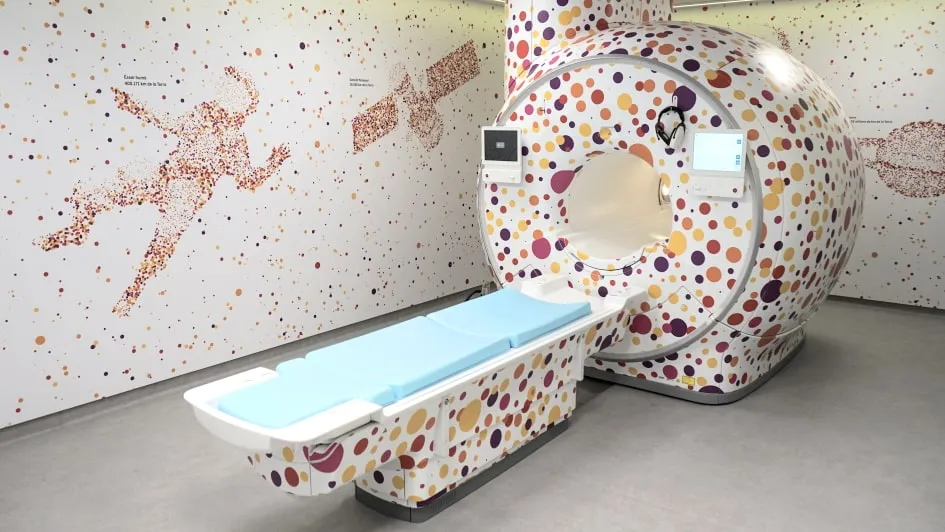
- Magnetic resonance imaging.
- Functional neuroimaging (PET, SPECT, fMRI).
- Genetic screening.
Magnetic resonance
Treatment
The Epilepsy Unit at the SJD Barcelona Children's Hospital has more than 20 years of experience treating childhood epilepsy under its belt.
We expertly manage and utilise all available medications, with a high level of competence in pre-surgical assessment and epilepsy surgery, as well as contributing to clinical trials to develop new treatments, including gene therapy.
Drug treatments
For the last two decades, many new antiepileptic medications have appeared that have much fewer side effects. As such, treatment options can be better adapted to the individual needs of each patient.
Every day, we better understand the mechanisms behind certain types of epilepsy, particularly those of genetic origin. Nowadays, when treating children with epilepsy, it is vital to have an in-depth understanding of treatment indications, interactions between antiepileptic drugs and other drugs being used, and which drugs should be avoided or encouraged, depending on the type of epilepsy diagnosed.
Multidisciplinary medical teams are also better informed with regards to when and for whom a pre-surgical assessment should be considered in the early stages of epilepsy.
Surgery for childhood epilepsy
It is recommended to conduct a pre-surgical assessment in the early phases of the disease for all patients with focal epilepsy, regardless of the presence of a detectable brain injury. In the case of other forms of epilepsy, these patients can benefit from palliative surgical treatments or neuromodulation treatments.
Assessments should be conducted by a multidisciplinary team of medical and neurosurgery experts.
Surgical techniques that may be appropriate, depending on the case:
- Intracranial electrode implantation to study complex epilepsy.
- Hemispherotomy or disconnection of the affected hemisphere (16% of cases).
- Surgical removal of the epileptogenic region (50% of cases).
- Neuromodulation (21% of cases).
- Thermocoagulation (13% of cases).
Almost 80% of our surgically treated patients stop exhibiting seizures (Engel class IA).
Services for our patients
Knowledge exchange with other experts in the European Reference Network EpiCARE about diagnostic and therapeutic challenges associated with very rare or complex forms of epilepsy.
We provide a diagnosis for all types of epilepsy in newborns, children and adults. We use neonatal, genetic and metabolic screening techniques. We also conduct a neuropsychological assessment and follow-up.
Access to the latest neuroimaging tools, both for structural imaging (MRI) and functional imaging (SPECT, PET), interpreted by experts in epilepsy treatment.
Counselling regarding therapeutic options, medical prescriptions and monitoring. Access to clinical trials to find safe new treatments.
We carry out a pre-surgical assessment to determine the ideal surgical treatment for each case. Should epilepsy surgery be required, we provide post-surgical care and follow-up to our patients.
Our multidisciplinary team treats patients with Developmental and Epileptic Encephalopathy (DEE) on an outpatient basis.
Collaboration with patient associations in Spain and throughout Europe.
As members of the ERN-EpiCARE, we facilitate the transition of adolescents into adult-centered epilepsy departments in Barcelona (Hospital Clinic) and throughout Europe.
Our patients
Activity
Follow-up consultations per year
Hospital admissions per year
Transition processes per year
Surgeries per year
Patients
Monitoring services
Team
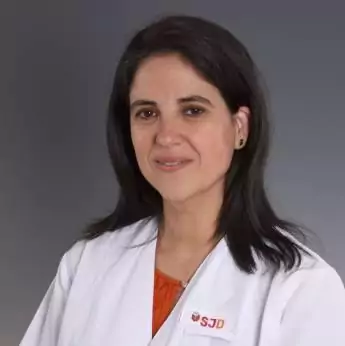
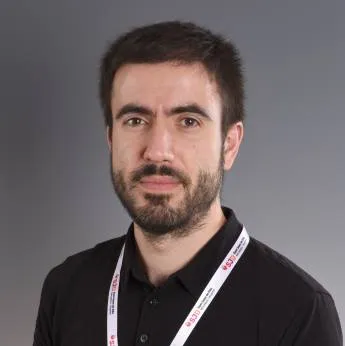
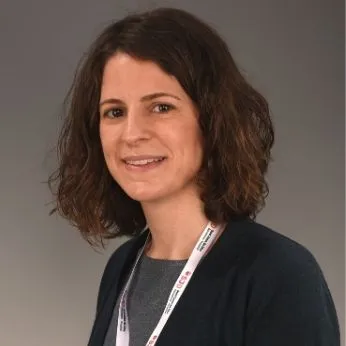
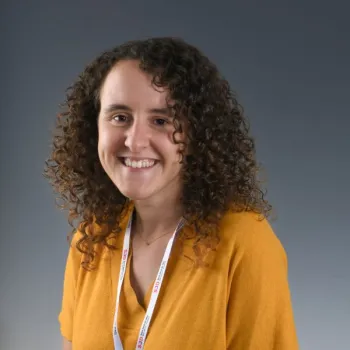
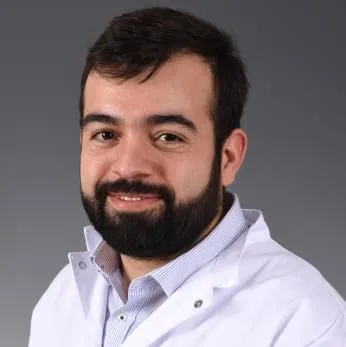
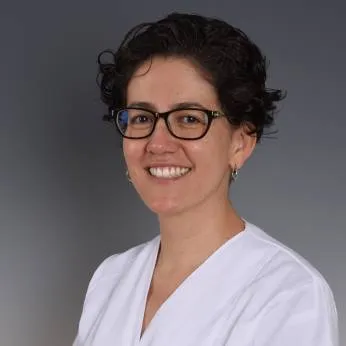
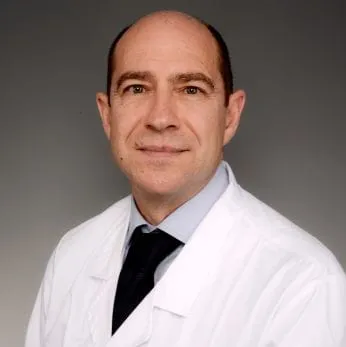
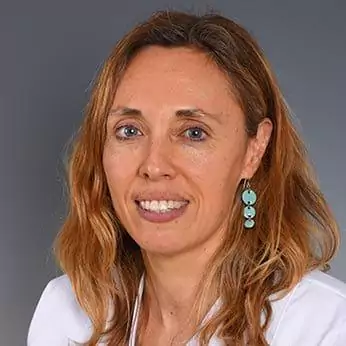
We are a multidisciplinary team of experts in the diagnosis and treatment of epilepsy in children and adolescents.
Our team includes pediatric neurologists specialising in epilepsy, neuropsychologists, neurosurgeons, neurophysiologists, neuroradiologists, nuclear medicine specialists, nurses, dieticians and electroencephalogram technicians trained in epilepsy treatment.
Recognised by the European Commission, with membership in the European Reference Network for Rare and Complex Epilepsies, ERN-EpiCARE. We work closely with Europe’s best experts.
We also maintain a solid collaboration with Hospital Clinic Barcelona’s Epilepsy Unit for healthcare provision, education and research, ensuring a smooth transition for adolescent patients moving to adult-centered care, as well as the best possible monitoring and follow-up.
All of our professionals have trained at international reference centres for epilepsy.




Research
Our main goals in epilepsy research are to encourage investigation to better understand its causes, the biological mechanisms that trigger it, to improve diagnostic processes and to discover new treatments, including repurposing of drugs and gene therapies.
In-progress research projects on childhood epilepsy at the SJD Barcelona Children's Hospital
- A comparative study of research tools in neuroimaging: Comparing the added value of different types of neuroimaging examinations for optimal localisation of involved brain regions in the onset of epileptic seizures.
- The EpilETRE and EpilETRE.net studies: Prospective and long-term follow-up study on the cognitive and emotional profiles of children with new onset epilepsy. In collaboration with other university hospitals in France and Italy. The studies focus on neuropsychological evolution, including neuroimaging investigations.
- GRIN-related epilepsy: A study on the various effects that mutations in the GRIN gene have on NMDA receptors (a glutamate receptor located in the neuronal membrane) in children. Includes a natural history study in collaboration with the University of Lyon (France) and studies focusing on the best treatment options.
- A study on KCNQ2-type channelopathy: Identifying specific biomarkers for KCNQ2-type channelopathy to obtain more information about symptoms and the progression of the disease, as well as analysing how various treatment options function in mutated channels.