Patient portal

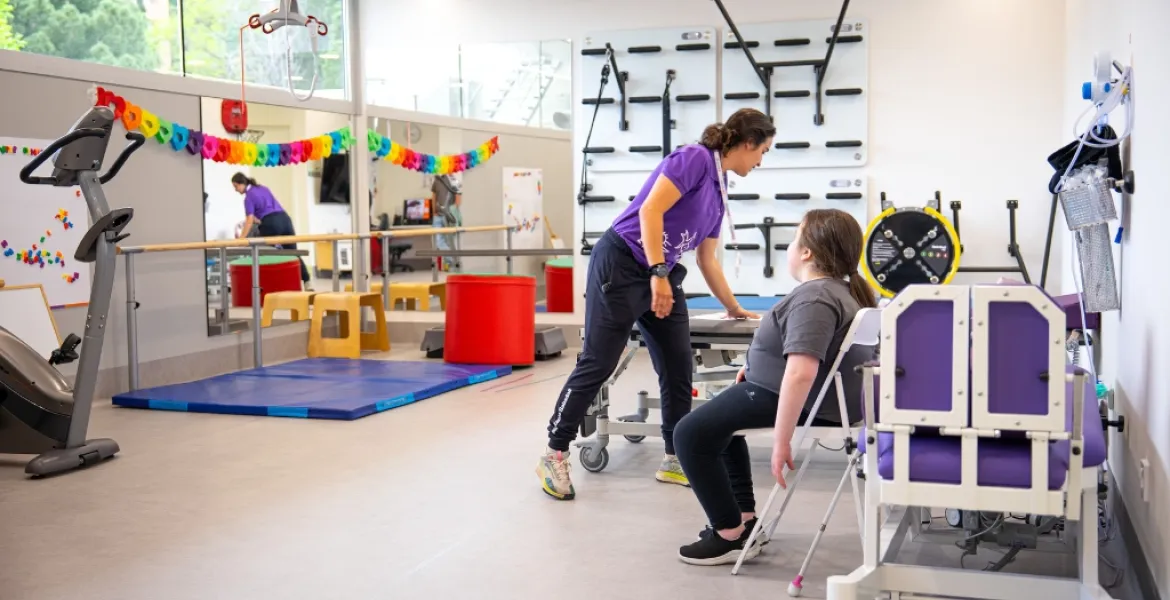
At the SJD Barcelona Children's Hospital, we help prevent, provide early detection of and treat late complications of pediatric cancer that could compromise our patients' development from a medical, psychosocial and neuropsychological point of view.
Improvements in pediatric cancer treatments in recent decades have made it possible for more than 80% of children and adolescents with cancer to overcome the disease. This huge step forward has led to a novel situation: a growing population of people who have overcome cancer and who need specific, lifelong care.
The Long-Term Follow-Up of Cancer Patients Unit (SEGUIM) at the SJD Barcelona Children's Hospital responds to the medical, emotional and social needs of these patients. The main objective is to preserve their long-term health and quality of life through prevention, early detection and treatment of any possible side effects resulting from treatment.
SEGUIM patients
Even though they have overcome cancer, it is possible that many children and adolescents develop late effects related to the disease and the treatments they received, which can affect different areas of health: growth and development, the cardiovascular system, hormonal and metabolic balance, neurocognitive function, emotional health, and social and academic life.
The unit is aimed at patients who have overcome pediatric cancer. These children and adolescents join the unit approximately one year after completing their cancer treatment.
Follow-up is tailored to each patient's diagnosis—such as leukemia and lymphoma, solid tumors, central nervous system tumors and other diagnoses— the treatment they received and their risk of sequelae. This SJD programme is based on international guidelines and incorporates health education as a key tool.
Why the SJD Barcelona Children's Hospital?
We support pediatric patients who have overcome cancer through more than just oncological treatment, with personalised and tailored long-term follow-up.
We offer comprehensive care with medical, psychosocial and educational teams from different units working in coordination to address all possible repercussions of treatment and the disease.
We promote health education and clear, accessible resources so that patients and their families have the information they need to prevent avoidable complications or detect them early.
We guarantee a safe transition to adult healthcare, with structured and coordinated pathways involving all relevant professionals.
The SJD Barcelona Children's Hospital is a leading maternal and child healthcare facility in Europe, involved in research and innovation projects in cancer survival.
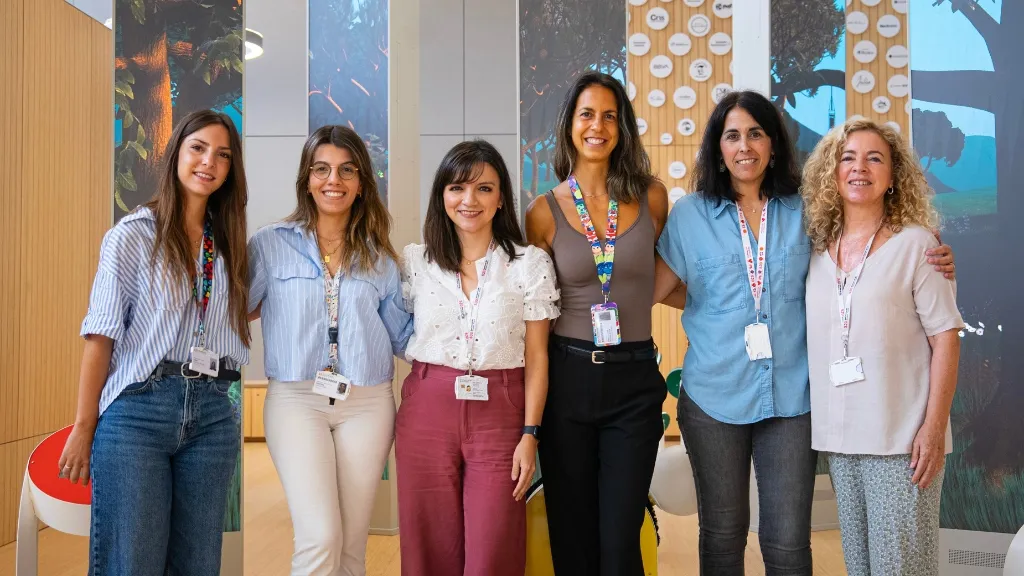
Get to know the unit
Health education
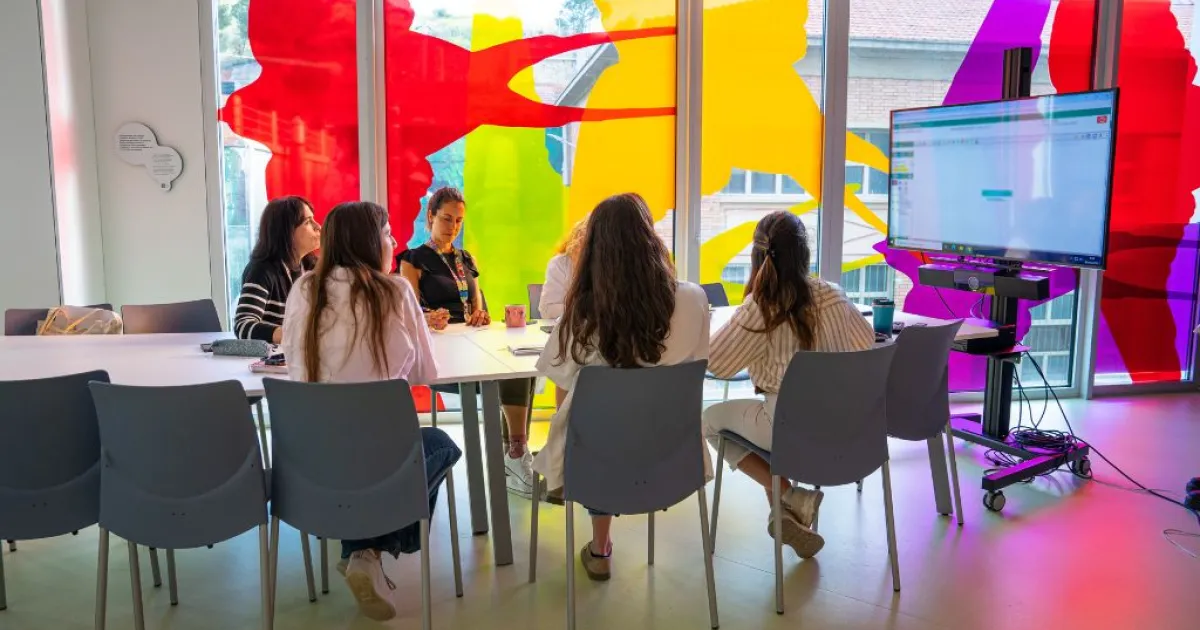
Health education is one of the fundamental pillars of the SEGUIM Unit's care model, as it contributes decisively to the autonomy of our patients and their families.
In addition, we have a specalist consultation service with dedicated facilities for providing support, listening and answering questions during the transition from active treatment to long-term follow-up.
The main objectives of this consultation are:
- To promote healthy lifestyle habits, such as a balanced diet, regular physical activity, adequate rest and the prevention of risky behaviours, always adapted to the age and situation of each patient.
- To provide a clear understanding of how the SEGUIM Unit works, the roles of the different professionals and the various care pathways.
- To provide accessible information on specific long-term health risks, helping to identify warning signs and encouraging a proactive attitude towards health.
- Provide practical tools so that patients and families know how and when to contact the unit between visits.
Transition area
The transition area is a key element of the SEGUIM model for ensuring continuity of care at all stages of the patient's life. This process is carried out in a structured and personalised manner, taking into account the clinical complexity, psychosocial needs and stage of life of each patient.
- From treatment to SEGUIM: This process begins before the first visit and is based on thorough prior planning to ensure a safe and consistent transfer of clinical and psychosocial information. The circuit includes clinical meetings with the referral teams that have cared for the patient during treatment, the preparation of detailed reports, and the assessment of the case to meet all of their needs.
- From SEGUIM to adult care: Once the pediatric follow-up stage at the SJD Barcelona Children's Hospital is complete, SEGUIM patients are referred on to adult services or primary care. This process is carried out on an individualised and coordinated basis, dinformed by the patient's risk of sequelae and the complexity of the case.
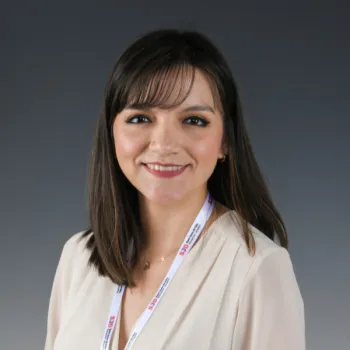
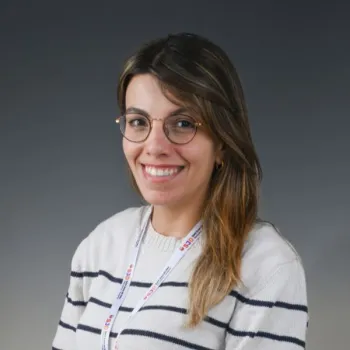
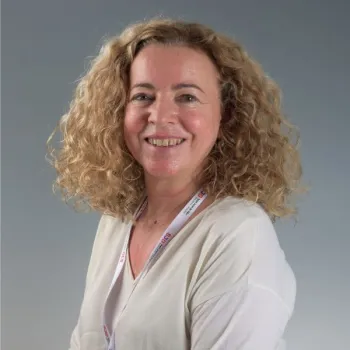
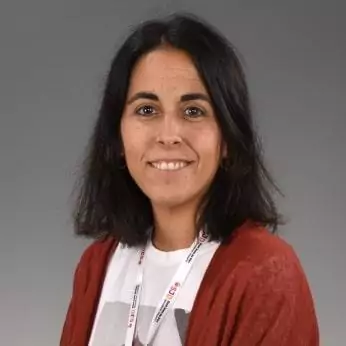
Team
Cooperative care
The SEGUIM Unit works actively to establish itself as a European benchmark in the long-term follow-up of people who have overcome childhood and adolescent cancer. To this end, we participate in European projects that allow us to integrate our knowledge, contribute to the development of common standards and promote innovative care models.
Among the main European projects are:
Creation of a European network of young people who have overcome cancer through a virtual platform to develop resources and transition guides.
A joint European initiative that develops networks of expertise in oncology.
Development of an artificial intelligence-based digital platform for monitoring late effects in adolescents and young adults.
SEGUIM represents a paradigm shift in caring for people who have had cancer during childhood: moving from reactive follow-up to a proactive, planned model focused on prevention. Its purpose is to anticipate risks, promote health and ensure continuity of care over time, on the assumption that caring today is the best way to reduce the impact of sequelae tomorrow.