Patient portal

"The primary aim is to eradicate cancer, but in the meantime, the experience of the patient and their family must be the best it can be"
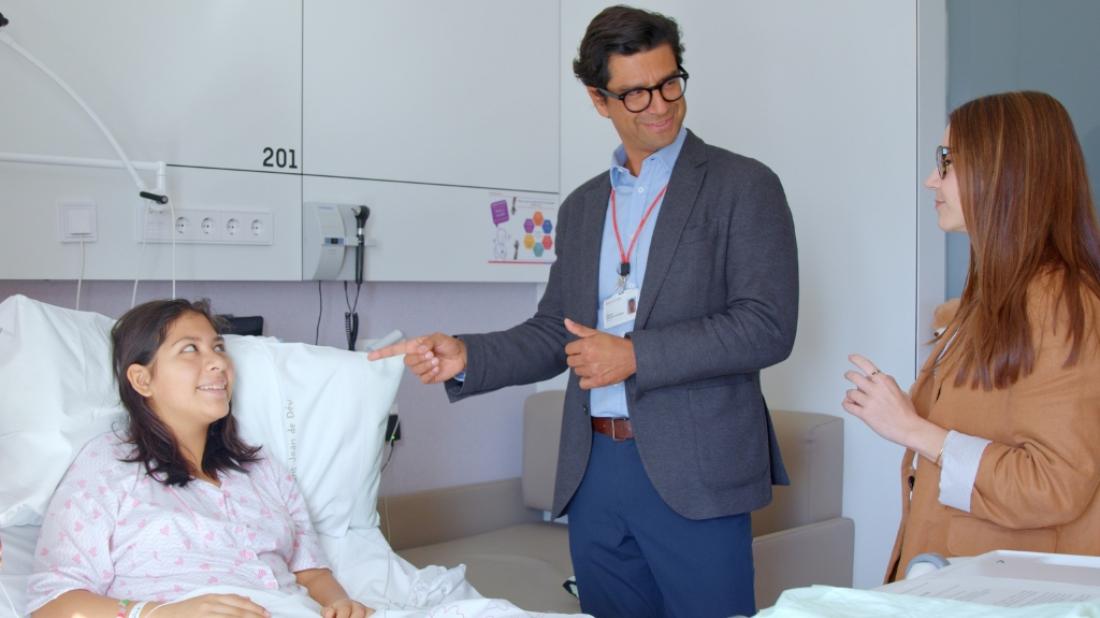
Andrés Morales La Madrid, Director of Patient Care at the SJD Pediatric Cancer Centre Barcelona, explains how the approach to childhood cancer has evolved and how it is treated at the SJD Barcelona Children’s Hospital.
Dr Andrés Morales La Madrid is a specialist in neuro-oncology. He became interested in this field because of the significant impact that brain and spinal cord tumours can have on a child’s life, and as a result, he trained at leading centres in the United States. “With a holistic approach, we can do a great deal to change the experience these patients have of their illness,” explains Morales. This vision, which goes beyond the treatment itself, forms the cornerstone of the care provided at the SJD Pediatric Cancer Centre Barcelona.
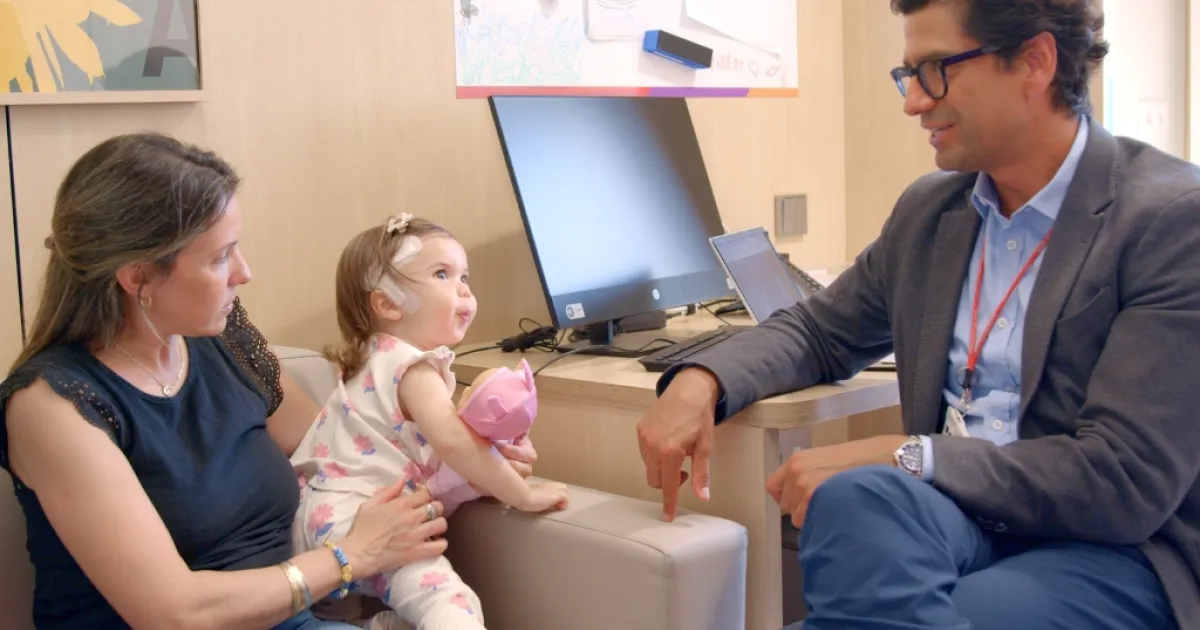
“Our primary aim is to eradicate the cancer, but whilst we are trying to do so, the experience of the patient and their family must be the best it can possibly be,” says Morales. As such, the doctor believes it is essential to involve the family with the team of professionals and also to engage the patient throughout the entire process. “The technical aspects can be learnt, but the human factor is what helps us to listen and understand what they really need,” he emphasises.
Treatment at the SJD Barcelona
The treatment of paediatric cancer has evolved significantly in recent years, and, consequently, so has the technology used. “Oncology used to be just another department in the hospital, but now, with the creation of the SJD Pediatric Cancer Centre Barcelona, we are a specialist cancer centre dedicated to both patient care and research,” explains Morales, the centre’s director of clinical care. Currently, SJD Barcelona brings together various areas of specialisation such as neuro-oncology, extracranial solid tumours, leukaemias, haematopoietic stem cell transplantation, SEGUIM and cancer predisposition, as well as offering training to national and international professionals.
For Morales, one of the most significant changes in paediatric oncology is the evolution of the tools available to treat cancer. Although chemotherapy and radiotherapy are effective treatments, they are also highly toxic. Consequently, new techniques such as immunotherapy and targeted therapies have been developed. “These aim to be more effective and tailored to each individual patient,” he explains.
In this regard, Morales believes that the challenge in paediatric oncology lies not only in increasing the chances of a cure, but also in ensuring that patients can maintain a good quality of life both during and after their illness.
Rehabilitation after cancer
Brain and spinal cord tumours usually appear during the first 10 years of life and can cause neurological impairments. Andrés Morales highlights the role of rehabilitation in the follow-up and recovery of these patients. SJD Barcelona Children’s Hospital has a comprehensive neurological rehabilitation unit which enables staff to work not only on physical aspects but also to train skills such as memory, mental agility and the ability to carry out tasks such as going to school or getting dressed.
For Morales, in particular, being able to support these patients in their recovery is one of the most rewarding aspects of his profession. “Seeing patients who were once diagnosed with a life-threatening brain tumour, but who, through treatment and a multidisciplinary approach, manage to achieve their life goals, is immensely rewarding,” he says.
International patients
Every year, the SJD Pediatric Cancer Centre Barcelona treats approximately 400 national and international patients. The latter account for around 30 per cent of the total caseload. “Normally, patients from Catalonia and Spain have just been diagnosed with cancer; however, those coming from abroad are usually experiencing a first or second relapse. This factor adds complexity, as treatment options are more limited,” explains Morales.
To address this situation, the hospital has a multidisciplinary team ready to tackle any concerns that the family or the patient themselves may have. “They arrive with a lot of fears, which is only natural, but we are here to dispel doubts and reduce uncertainty,” says the doctor.
Related news