Patient portal


SJD Barcelona is leading the development of the European UNCAN-Connect project in the field of paediatric cancer
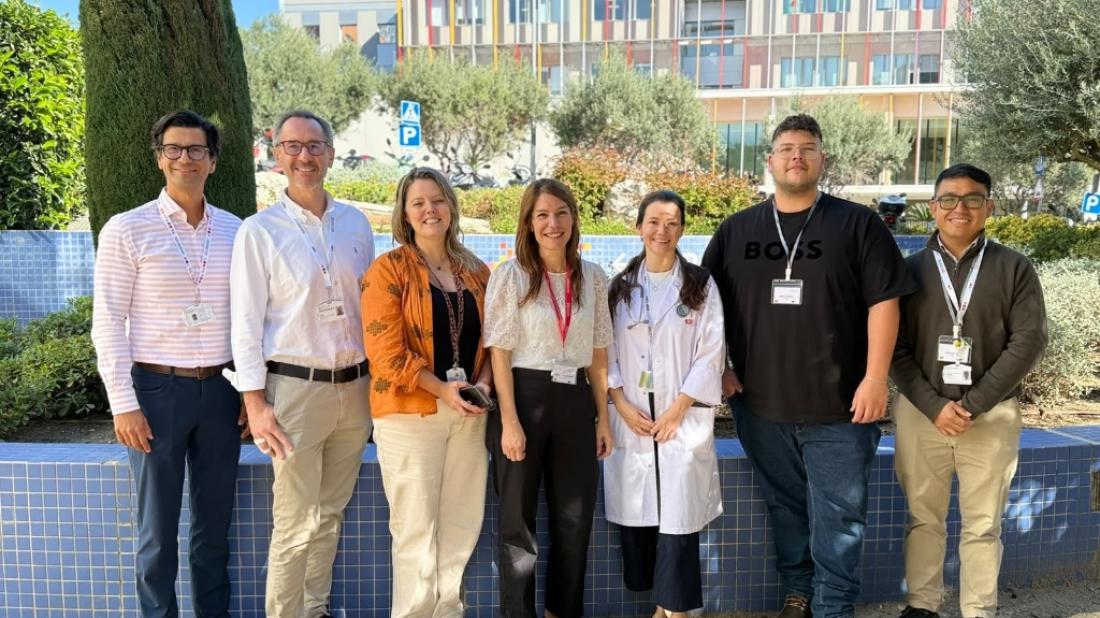
The main aim is to lay the foundations for a new algorithm to predict the risk of cardiotoxicity associated with cancer treatment and to improve the quality of life of children.
The Institut de Recerca Sant Joan de Déu (IRSJD) is leading the work package on paediatric cancer within the European UNCAN-Connect project, an initiative funded by the Horizon Europe programme that aims to transform cancer research in Europe through access to and the secure reuse of oncology data.
This work package aims to lay the foundations for a new algorithm that will enable the prediction of the risk of cardiotoxicity associated with cancer treatment. Identifying this risk early should help to better protect the hearts of children with cancer and contribute to improving their quality of life. To develop a tool of this kind, it is essential to link data from different centres, as securely gathering and analysing a greater volume of clinical information enables the creation of a more robust algorithm.
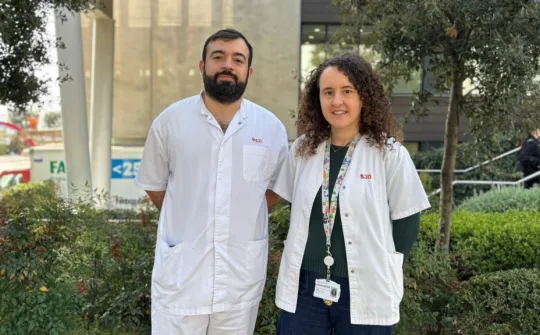
The work package is led by Dr Joan Sánchez de Toledo, director of the Cardiology Department at SJD Barcelona Children's Hospital and head of the iCaRe4Kids group at the IRSJD, and by Dr Andrés Morales, clinical director of the SJD Paediatric Cancer Centre Barcelona and a researcher with the Paediatric Cancer Treatment group at the IRSJD. Two European hospitals, in Helsinki and Coimbra, are also taking part, along with several technology partners.
“We are developing a new algorithm to predict the risk of cardiotoxicity and improve the quality of life for children, adolescents and young adults with cancer. Thanks to UNCAN-Connect, we will be able to securely access and use data from many more patients in other partner countries and achieve more robust results,” says Sánchez de Toledo.
A European platform to link cancer data
The UNCAN-Connect project is being carried out through UNCAN.eu, a collaborative platform that will enable access to and the reuse of cancer data in a secure and interoperable manner, whilst respecting patients’ rights and data protection. It brings together 53 organisations from 19 countries to tackle one of the major challenges facing research today: the fragmentation of data and the difficulties in sharing it between institutions and countries. The five-year research project began in September 2025 and has a budget of around 30 million euros.
Read the full article
Related news