

 Patient portal

Pediatric Neurosurgery
At the Neurosurgery Department at the SJD Barcelona Children's Hospital, we treat diseases that affect the central nervous system (the brain and spinal cord) and the peripheral nervous system (peripheral nerves) using high-precision surgical techniques.
We use neurosurgery to treat disorders in children and adolescents
- Craniofacial malformations.
- Spinal cord and spinal column diseases, such as spina bifida.
- Vascular diseases.
- Traumatic brain injuries and hydrocephalus.
- Epilepsy and movement disorders.
- Neuro-oncology.
- Fetal pathology.
The Neurosurgery Department promotes and participates in multidisciplinary programs with advanced treatments for: epilepsy surgery, movement disorders, minimally invasive craniofacial surgery, neuroendoscopy, complex neuro-oncology surgery, surgery to treat spasticity and the correction of craniocervical abnormalities (such as Chiari malformation or craniocervical instability), among many others.
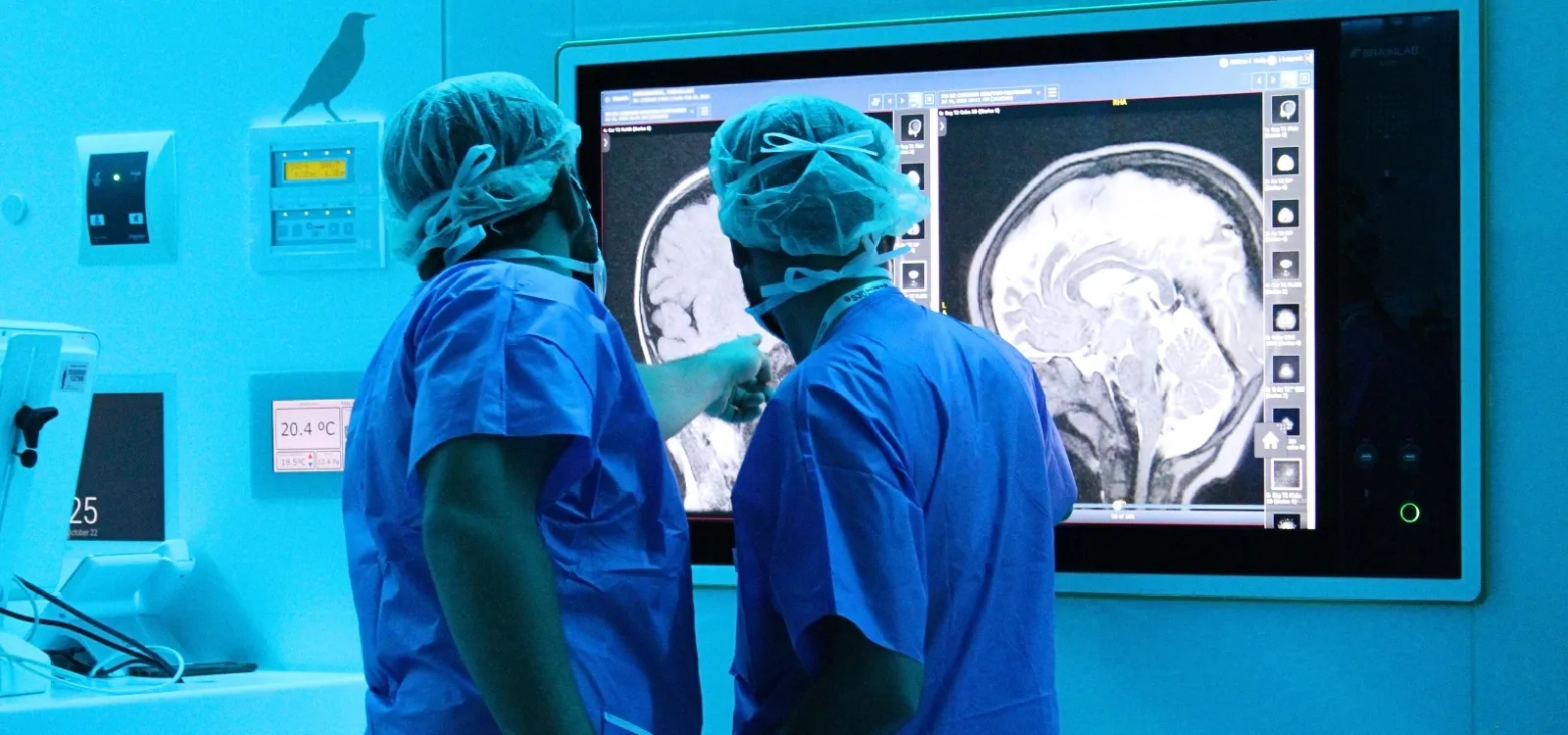
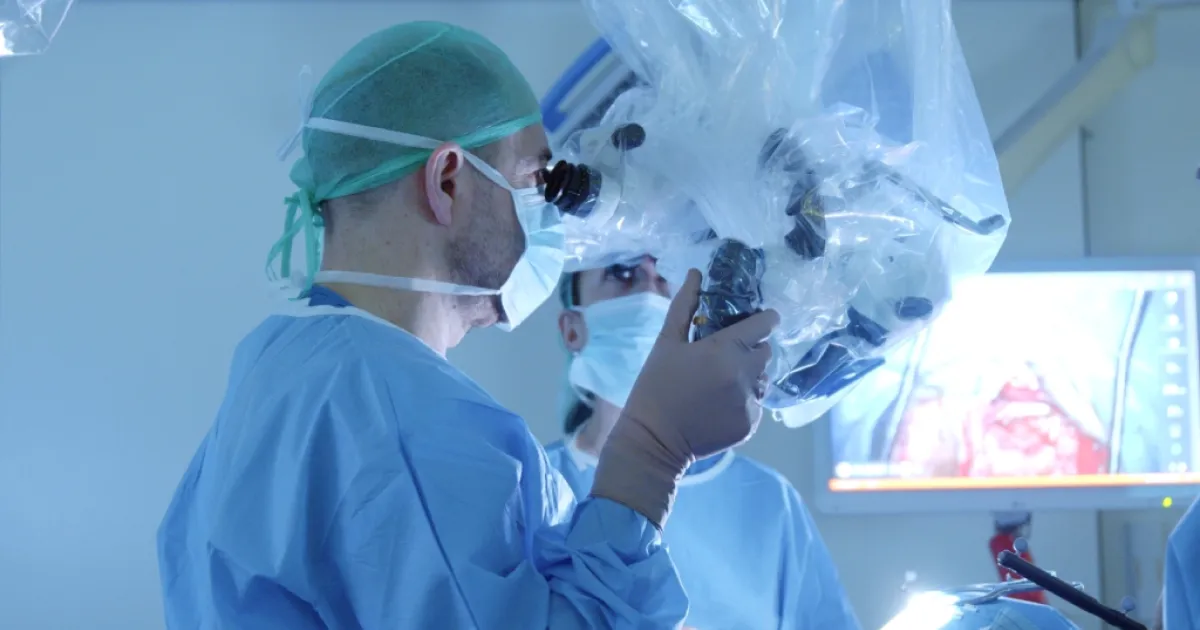
We have intraoperative support systems in place, such as neuronavigation, robots, hybrid operating theatres, and state-of-the-art microscopes.
We treat all diseases found in children and adolescents
Yearly activity in Pediatric Neurosurgery
Surgeries each year
Cases of refractory epilepsy each year
Cases of brain tumours each year
Crisis-free cases after surgery (Engel I)
Data 2024
Why the SJD Barcelona Children’s Hospital?
We are international leaders in pediatric neurosurgery and pioneers in the field of minimally invasive neurosurgery.
We brought the cerebral endoscopy technique to Spain in the 90s. In 2020, we became pioneers in Spain by incorporating laser surgical systems into our repertoire.
We conduct neuronavigation-assisted microsurgery. Using real-time magnetic resonance imaging, we can have intraoperative guidance to see exactly where we are moving.
We have a cutting-edge robotic microsurgery platform (vascular surgery, oncology, etc.) and we carry out robot-assisted stereotactic surgery (to treat epilepsy, movement disorders, etc.).
For more complex operations, we have intraoperative neuromonitoring systems overseen by an expert team of neurophysiologists. We also have high quality intraoperative imaging systems, such as 3D-assisted craniofacial surgery, a hybrid operating theatre, etc.
Accreditations
- Members of the European Reference Network for Craniofacial Anomalies (ERN CRANIO).
- Participants in the European Reference Network for Rare and Complex Epilepsies (ERN EpiCARE) and the European Reference Network for Paediatric Oncology (ERN PaedCan).
- CSUR-accredited by the Ministry of Health as a reference unit in the treatment of:
- Complex paediatric neurosurgery.
- Refractory Epilepsy.
- Movement disorders.
- Neuromuscular diseases.
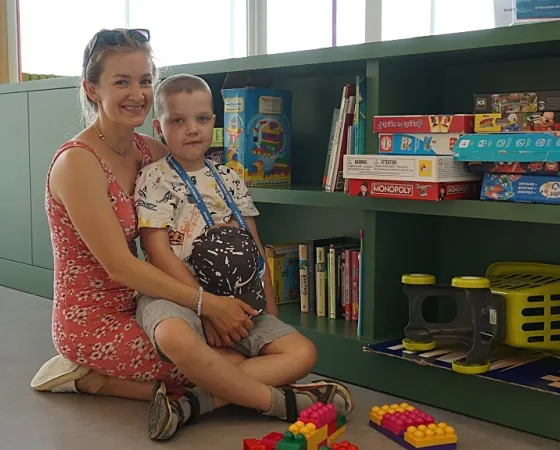
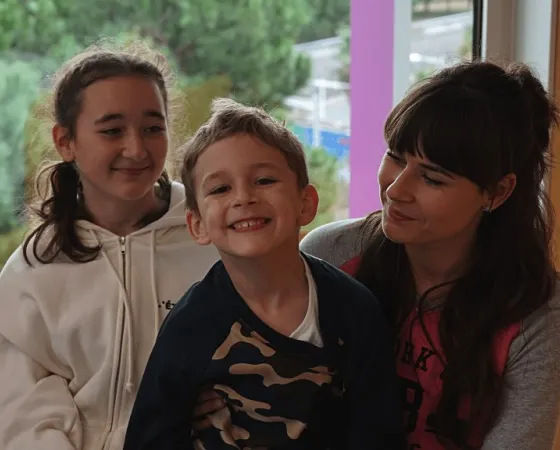
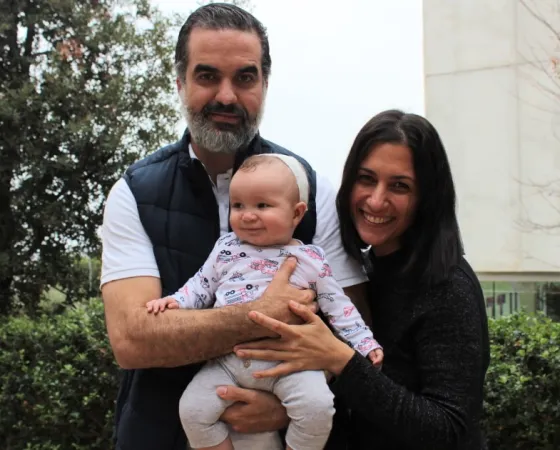
Our patients
Team
Specialist physicians, patient manager nurses, physiotherapists, occupational therapists, speech therapists, psychologists and social workers all coordinate treatments and develop protocols that ensure maximum effectiveness and quality of care for our patients. This guarantees a comprehensive approach to each aspect of the patient’s health and wellbeing.


Research
With their commitment to research, our professionals have a multitude of scientific articles already published or in progress.
We are part of the BRAIN Project:
- Preoperative navigation systems and real-time 3D navigation in surgery. Dr Hinojosa Mena-Bernal; Dr Munuera del Cerro.
- Anatomical-functional correlation in the motor and language eloquent cortex areas using pre- and intraoperative MRI imaging and navigated transcranial magnetic stimulation. Dr Hinojosa Mena-Bernal; Dr Becerra Castro; Dr Climent Perín; Dr Muchart López; Dr Candela Cantó.
We work with the Oncology Area on other projects, such as:
- Trial Concept Intercontinental YC-MB LR MB.
- LOGGIC EUROPE.
- SIOP EPENDYMOMA II: An International Clinical Program for the Diagnosis and Treatment of Children, Adolescents and Young Adults With Ependymoma (Phase II-III) - BE.
- We also work together with the Achondroplasia Unit on the various trials they are conducting.
We have access to action protocols for various different diseases.
Our technology for the benefit of science: we reflect on our results and share our experiences with other centers to help them improve.