Patient portal

Pediatric Oncology
The Pediatric Cancer Center Barcelona at the SJD Barcelona Children's Hospital is a national and international reference center for the provision of care and research into pediatric cancer. It is a monographic healthcare facility aimed at children and adolescents with cancer and their families.
We specialise in treating all kinds of paediatric cancers
- Neuroblastoma.
- Retinoblastoma.
- Musculoskeletal tumors (sarcomas, including osteosarcoma and Ewing's sarcoma).
- Brain tumors (including medulloblastoma, ependymoma, gliomas and other less frequent kinds).
- Histiocytosis.
- Kidney tumors (Wilms tumor and other less frequent kinds).
- Leukemia (lymphoid and myeloid) and lymphomas.
Personalised treatment
We use precision medicine to offer our patients personalised treatment that is not only less aggressive, but also it is best suited to the prognosis and characteristics of their specific cancer. Next generation sequencing means we can offer precision medicine techniques, allowing us to perform genetic screening of the tumor and render a precise diagnosis of the type of cancer and its prognosis for each child. This allows us to prescribe the most appropriate treatment for every case.

We follow the most up-to-date protocols recommended by European and American scientific societies, using cutting-edge techniques for specific tumors, such as intra-arterial chemotherapy for retinoblastomas.

We use immunotherapy for leukemia, lymphoma, neuroblastoma, central nervous system tumors and sarcomas. Our newest developments include clinical trials for immunotherapy treatment of brain tumors and sarcomas.

Surgery and Oncology teams work hand-in-hand to obtain the best results. They are pioneers in the use of 3D-surgical planning, allowing for much more precise surgical procedures.

We offer a broad range of allogenic transplants, from related or unrelated donors, as well as haploidentical donors in cases of leukemia in particular, and other non-neoplastic diseases.

Our patients get the best results from our radiotherapy treatment thanks to the most recent, modern equipment and resources at our disposal. We also offer proton beam therapy if needed.
We use innovative treatments
- Our research aims to find new and better ways to diagnose and treat our patients: We work towards finding treatments for incurable tumors.
- We are one of few European hospitals with access to an exclusive tumor bank and pediatric models, which carries huge research potential.
- We have our own Pediatric Clinical Trials Department.
- Our aim is for our patients to benefit from the most advanced treatments as early as possible: We are the only hospital outside of the Unted States to contribute towards the development of the naxitamab anti-GD2 antibody for the treatment of neuroblastoma, approved by the FDA in 2020.
- We are working on the following lines of treatment:
- The bivalent (GD2/GD3) neuroblastoma vaccine clinical trial.
- Naxitamab and GM-CSF treatment for retinoblastoma and metastatic osteosarcoma.
- Omburtamab (anti B7-H3) treatment for brain tumors with leptomeningeal spread.
Alongside the Memorial Sloan Kettering Cancer Center, we are global pioneers in the use of cutting-edge anti-GD2 immunotherapy (naxitamab) in high-risk neuroblastoma cases.
- Naxitamab and GM-CSF treatment: Around 82% of patients with high-risk neuroblastoma are disease-free after three years, in either their first or second complete remission.
- Induction therapy: Around 90% of patients with high-risk neuroblastoma are disease-free after three years, with no relapse after their first complete remission.
In cases of chemotherapy-resistant retinal cancer, we use VCN-0 oncolytic virus therapy. This technique identifies and selectively attacks cancerous cells without harming healthy cells.
- The eyeball preservation rate in advanced retinoblastoma cases after three years is 80%.
We have developed techniques to reconstruct affected limbs, using bone material from a donor or from the patient themselves, thereby avoiding amputation. We also boast the first joint treatment protocol for children and adults with Ewing's sarcoma in Spain.
- The survival rate for patients with localised Ewing's sarcoma is 84%, in line with the best figures reported across the globe.
We base our treatments on the most advanced strategies in chemotherapy and radiotherapy. Precise molecular diagnostics allow us to provide accurate diagnoses, better prognoses, and identify more effective and less harmful treatments.
- The 10-year survival rate in patients with low-grade gliomas, the most common type of brain tumor, is 90%.
We are the most experienced facility in Europe when it comes to applying CAR-T immunotherapy. We are also part of the Innovative Therapies for Children with Cancer (ITCC) consortium, giving us access to the most innovative treatments and allowing our patients to be enrolled into groundbreaking clinical trials.
- Around 90% of our patients with lymphoblastic leukemia survive for five years after treatment.
Clinical trial in high-risk neuroblastoma BCC18
The BCC18 clinical trial is an international phase II academic study designed to assess the efficacy of adding naxitamab to induction chemotherapy in the treatment of newly diagnosed high-risk neuroblastoma.
Our results
Eye preservation rate in advanced stages of retinoblastoma after 10 years
Survival in patients with low-grade glioma after 10 years
Cure rate in patients with localised Ewing sarcoma after 10 years
Cure rate in localised osteosarcomas after 10 years
of our patients with acute lymphoblastic leukaemia survive after 5 years
Patients with high-risk neuroblastoma treated at our centre who are disease-free after 3 years, in first or second complete remission
Accreditations
The Oncology Department at the SJD Barcelona Children's Hospital has been officially recognised as a reference unit for the treatment of rare and complex diseases:
- European Commission (ERN): ERN PaedCan.
- JACIE (Joint Accreditation Committee of the ISCT and European Group for Blood and Marrow Transplantation) International Accreditation.
- Ministry of Health, Consumer Affairs and Social Welfare (CSUR): Neurocutaneous genetic syndromes.
Our aim is to cure children and young people with cancer
Pediatric cancer is different from adult cancer, as it originates during the development of organs and tissues and cannot be prevented. As such, research plays a vital role in increasing understanding and working towards a cure.
At the SJD Pediatric Cancer Center Barcelona, we pair medical care with research into new therapeutic options so that our patients can benefit from the most cutting-edge treatments.
Get to know the SJD Pediatric Cancer Center Barcelona
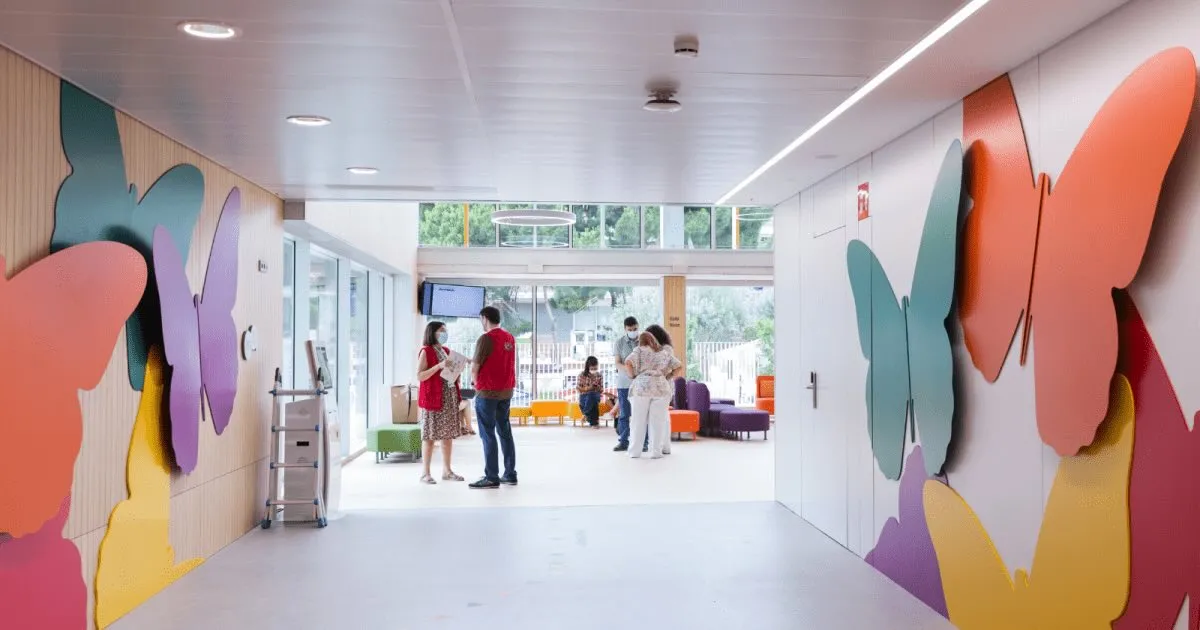
The SJD Pediatric Cancer Center Barcelona is a monographic facility offering comprehensive, holistic treatment to children and adolescents with cancer and to their families. One single facility holds all of the services that our patients with pediatric cancer need, and all of our teams are dedicated to researching the disease.
Our activity
Active patients
Patients being followed up
International patients
Treatments at the Day Hospital
Patients seen at home
Surgical procedures
Our patients
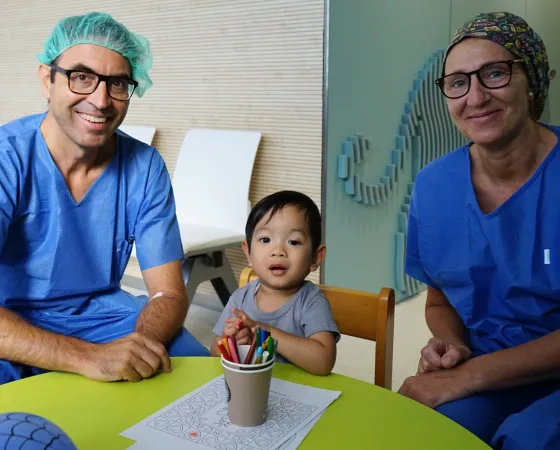
Monitoring patients who have overcome the disease
We continue to treat children and adolescents who have overcome the disease and we provide early diagnoses of any possible medical complications associated with the disease and/or the treatment that was received.
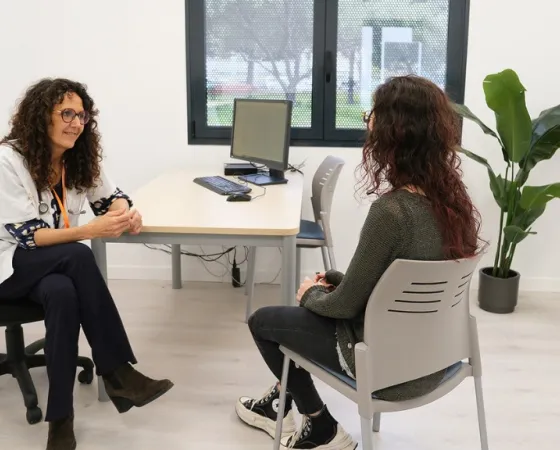
Fertility preservation
Before starting cancer treatment, we harvest oocytes or ovarian tissue from young girls, which is then frozen and stored. This means they can still choose to become mothers in the future.
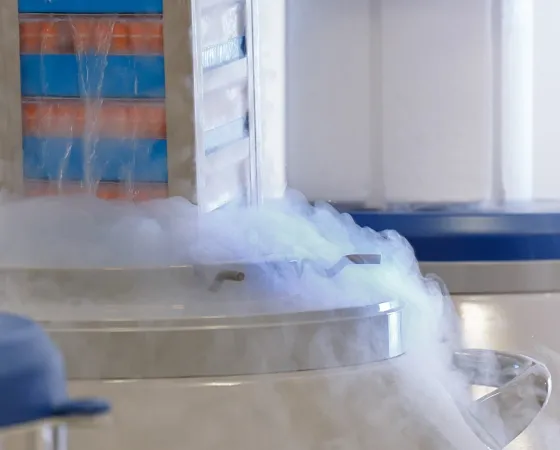
We treat more than 100 international patients every day
We treat patients from all over the world with highly complex diseases. Our team at the International Patients Department helps patients from all over the globe – from the day they leave their home country until arriving at the hospital and all through their subsequent care.
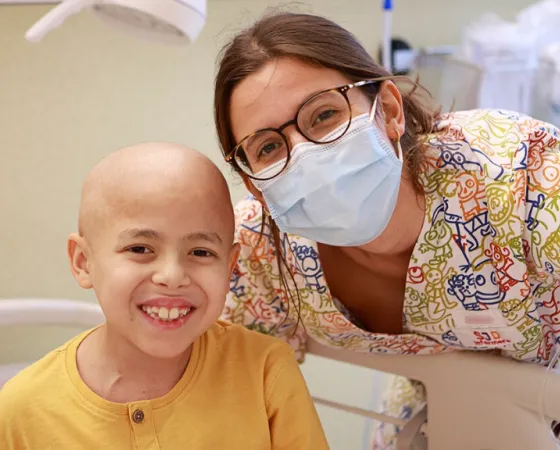
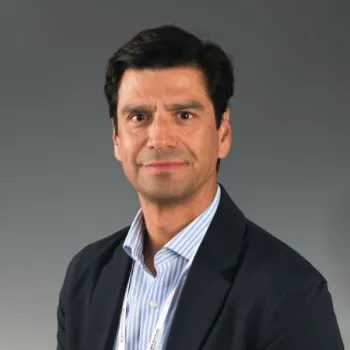
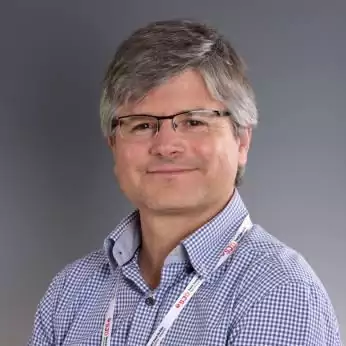
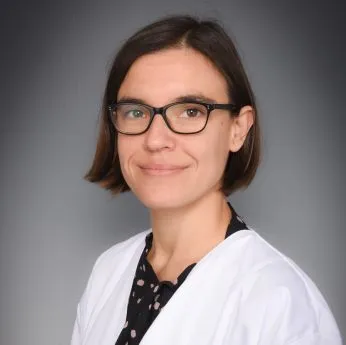
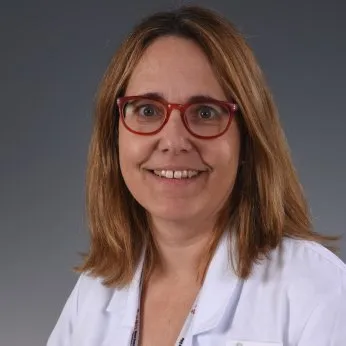
Leading professionals
Research
The Pediatric Cancer Research Laboratory began its work back in 2003. Now it has over two decades of experience under its belt in translational research, focusing on finding solutions for our patients’ needs. Our aim is for scientific progress to translate directly into new treatments that can be offered to our patients as soon as feasibly possible.
More than 50 researchers and technicians work in this facility, which boasts an extremely valuable pediatric tumor bank for research and experimentation. In addition, it uses molecular and genomic techniques to analyse the genetic expression of tumors, opening doors to new diagnostic and prognostic possibilities for patients.
The research team is completely integrated into the healthcare team, meaning our cutting-edge projects, clinical trials and treatments allow specialists to provide the safest, most effective care possible to our patients.
Our research work is characterised by:
- Pre-clinical models: Before the clinical phase, patient samples are processed in the laboratory to assess the effectiveness and safety of new treatments.
- Pediatric tumor bank: Studying tumors taken from patients is the first step towards obtaining results, so the tumor bank is a key part of our research.
- Clinical Trials Unit: We have the largest pediatric clinical trials unit in Spain, the second-largest in Europe, involving a huge volume of patients and trials.
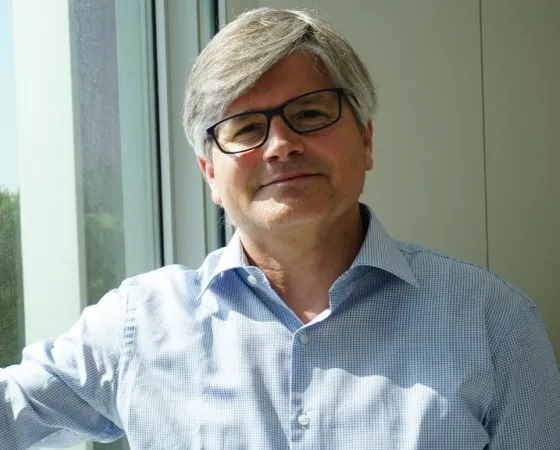
"Our integrated research approach to care, and patient and family-centred care, has made SJD Pediatric Cancer Center a reality."
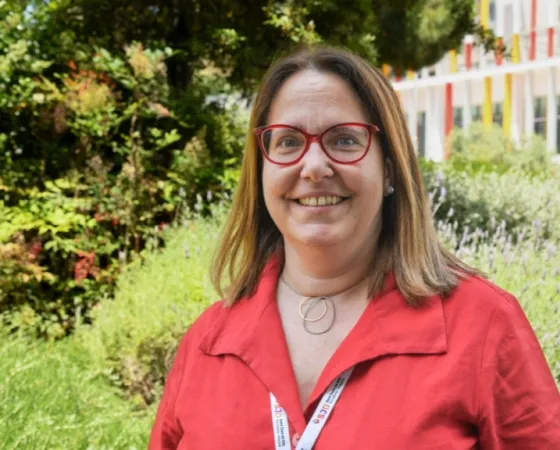
"SJD Pediatric Cancer Center brings the most innovative therapies and new clinical trials to paediatric cancer patients"
"We are an ally of paediatric oncology centres around the world, but especially in Latin America, to collaborate in building the best local capacities for the diagnosis and treatment of children with cancer".