Patient portal

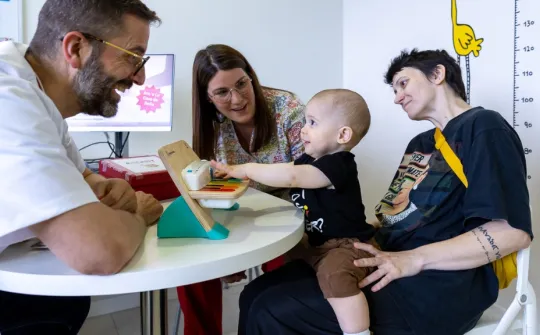
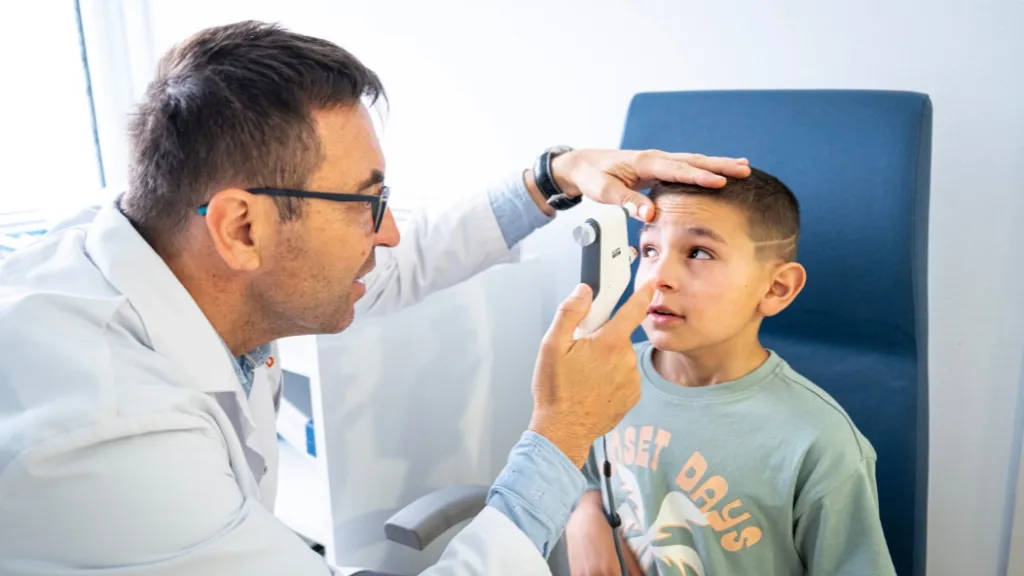
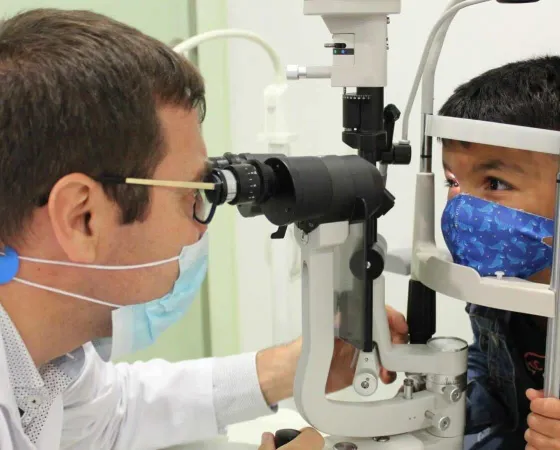
We are a benchmark Hospital on national and international levels in the diagnosis and treatment of children with vision problems.
In the SJD Barcelona Children's Hospital's Ophthalmology Department we diagnose and treat children with vision problems, whatever the complexity.
We provide care with the highest level of sub-specialisation for all conditions which can affect the different parts of the eye: retina, pupil, eyelid, eyeball, lachrymal gland, optic nerve, musculature, etc.
Accreditations
We possess eight CSUR accreditations from the Spanish Ministry of Health, making us a benchmark centre on a national level in the treatment of:
- Congenital glaucoma and infantile glaucoma.
- Penetrating keratoplasty in children.
- Orbital tumours.
- Congenital alterations of ocular development (alterations of the eyeball and eyelids).
- Pediatric vitreoretinal surgery.
- Complex cataract in children
- Hereditary retinal dystrophies.
We are also recognised by CatSalut as a Clinical Expertise Unit (XUEC) for the care of rare eye conditions.
Why SJD Barcelona Children's Hospital?
SJD Barcelona Children's Hospital treats more children with eye problems than any other centre in Spain.
Our wide-ranging experience
SJD Barcelona Children's Hospital treats more children with eye problems than any other centre in Spain.
- Our specialists have an excellent track record and a huge amount of experience in diagnosing not only highly complex vision problems, but also more common ones.
- The Paediatric Ophthalmology Department at SJD Barcelona Children's Hospital is one of the busiest in the country, handling on average more than 120 visits a day and approximately 4-5 surgeries a day. This huge volume of patients, as well as the complexity of many of the cases, makes us a leading centre of national and international recognition.
- We have a team of 12 ophthalmologists sub-specialising in the 8 branches of the different conditions that affect children's eyes. We also rely on a group of 6 paediatric optometrists. Because of this, our Ophthalmology Department has more accreditations than any other leading centre in Spain .
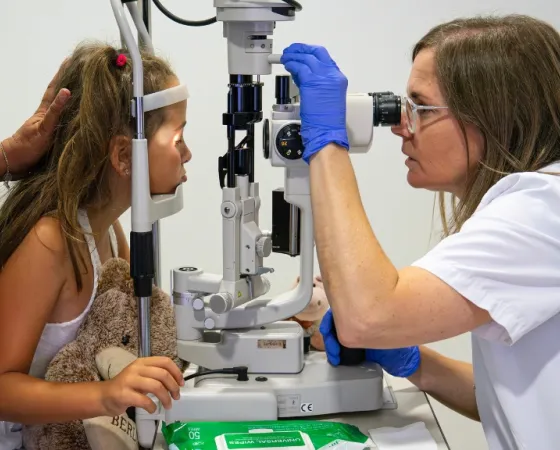
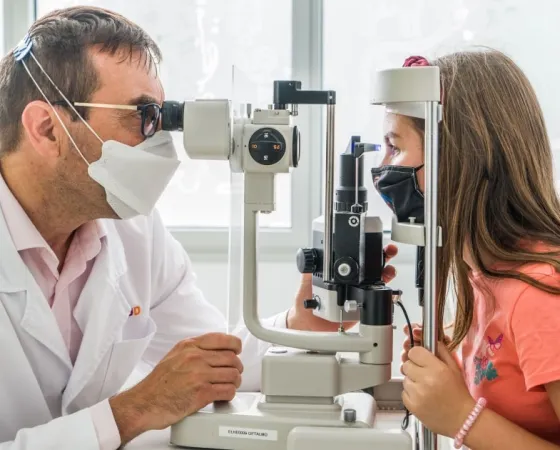
- Examining children's eyes is not always easy. As paediatric specialists, we have the experience and technology to adjust to a specific patient's characteristics.
We have unique human and technical resources to examine and treat children's eyes in the least invasive and most appropriate way possible.
Non-invasive technology adapted for children
We have unique human and technical resources to examine and treat children's eyes in the least invasive and most appropriate way possible.
We have cutting-edge rapid diagnostic tools. In certain circumstances, we are able to activate an express rapid-diagnostic protocol (a few days) in which each of our sub-specialists, by using the appropriate technologies, study all parts of the eye in order to reach a diagnostic consensus.
We have cutting-edge complementary examination technology that adapts to the characteristics of the pediatric patient.
Innovative complementary scanning technology
We have cutting-edge complementary examination technology that adapts to the characteristics of the pediatric patient.
Standard equipment adapted for children
- Paediatric autorefractor.
- Various types of portable tonometer (to measure eye pressure in children).
- Photographic biomicroscope: provides serial images to track conditions affecting the anterior pole of the eye.
- Portable biomicroscope: helping to examine young children or disabled persons.
- Portable corneal pachymeter.
- Non-mydriatic retinal camera: obtains images of the fundus of the eye in children over 4 years of age, with no need for drops to dilate the pupil.
- Standardised automated perimetry.
Complex exploratory equipment
- Contact retinal camera: takes serial photographs of the fundus of the eye in small children and even premature babies. This is a video camera with a wide-angle lens that is placed on the eye and takes images of the retina and optic nerve. It used to diagnose and monitor retinopathy of prematurity and retinoblastoma. We have a second hand-held camera to use in examinations outside our hospital setting.
- High-resolution ocular ultrasounds and biometry. These take ultrasound images of all areas of the eye when they are not visible.
- OCT (optical coherence tomography): device able to take sectional images of most anatomical structures of the eye through a photon beam.
- Electrophysiology: next-generation device that allows for visual evoked potentials, electroretinography and electrooculography, with no need for anaesthesia in many children.
Complex surgical equipment
- Cross-linking for the treatment of keratoconus.
- High-end ophthalmologic surgical microscope.
- Integrated phaco-vitrectomy for cataract and vitreoretinal surgery.
- Endolaser: used to treat the retina from inside the eye.
- Diode-laser indirect ophthalmoscope to treat retinopathy of prematurity.
- Laser for transpupillary thermotherapy to treat retinoblastoma.
- Laser for dacryocystorhinostomy.
- Nasal endoscope with televised control for tear-duct surgery.
- Centrifugation of fats and platelets for orbital micro-filling.
- Cryotherapy for tumours and other retinal lesions and to destroy ectopic cilia.
Specialties and services
Related Units
We are a national reference centre for the diagnosis and treatment of children with these eye diseases of genetic origin.
Pathologies we treat
Treatments we offer
Tests (not covered by public health)
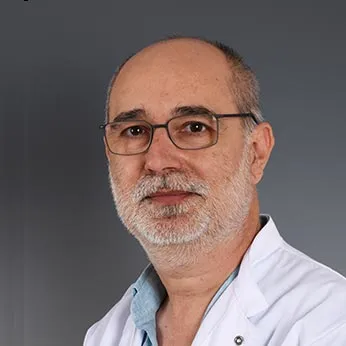
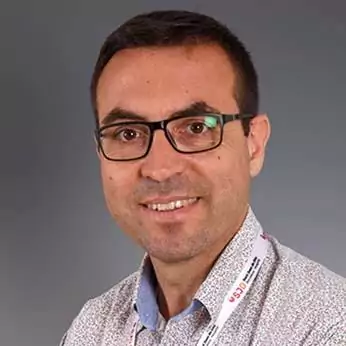
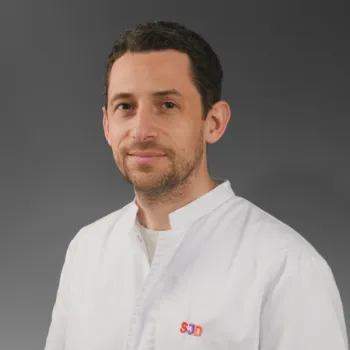
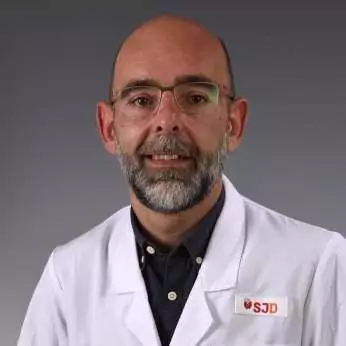
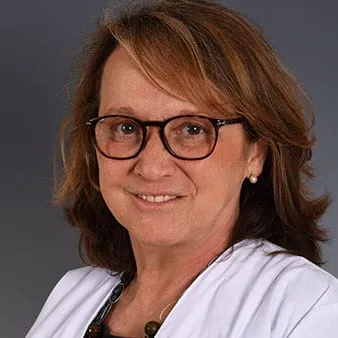
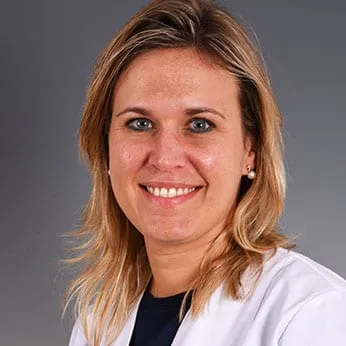
Ophthalmology team
SJD Barcelona Children's Hospital provides one of the highest levels of sub-specialisation in the areas of paediatric ophthalmology worldwide.



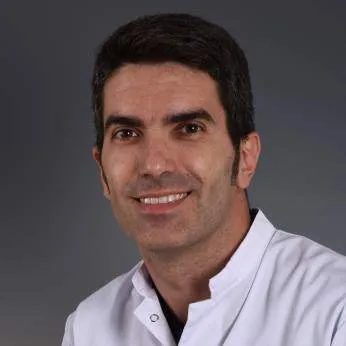
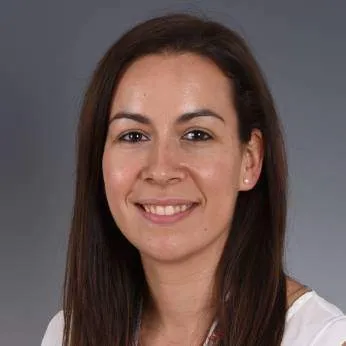
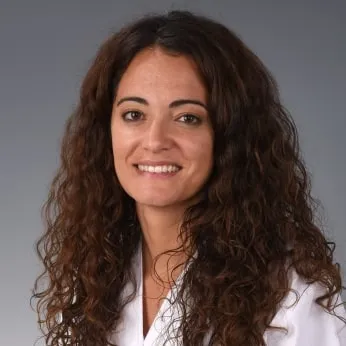
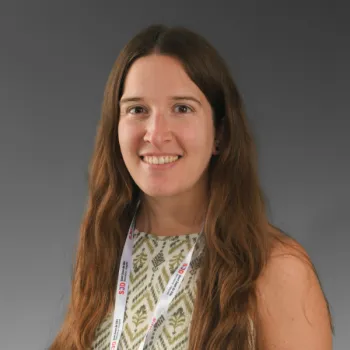
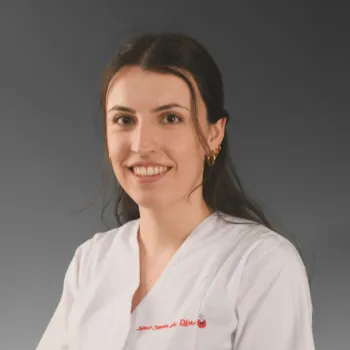
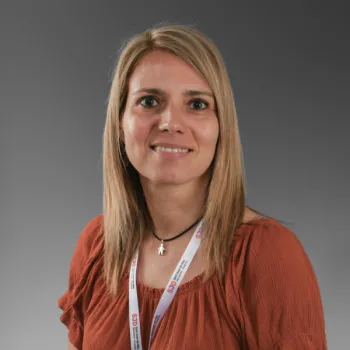
Optometry team
Before their appointment with the ophthalmologist, almost all our patients have a consultation with the optometry team, who will carry out visual acuity tests and, if necessary, other tests such as retinal tomography, fundus photography, corneal examination or ocular biometry.

Research
The Paediatric Ophthalmology Department at SJD Barcelona Chidlren's Hospital carries out its research within the framework of the Institut de Recerca Sant Joan de Déu (IRSJD), as part of the associated clinical group on Paediatric Ophthalmology.
Our research group works to better understand eye conditions in children: how they appear, what causes them and how they progress over time. This knowledge enables us to improve diagnoses and treatments, always with the children’s wellbeing in mind.
We conduct patient-centred research and collaborate closely with other teams at the Institut de Recerca Sant Joan de Déu to provide better care and find new solutions for families.
Teaching
SJD Barcelona Children's Hospital is a university hospital affiliated with the University of Barcelona, and so we share our knowledge and train professionals to specialise in high-complexity medicine.
Master's in Paediatric Ophthalmology
We offer comprehensive training in the field of Paediatric Ophthalmology, with courses in all the theoretical disciplines and practices that comprise the training area according to the American Academy of Ophthalmology.
Patient stories