Patient portal

The SJD Barcelona Children's Hospital implants the world's smallest pacemaker in a baby weighing just 2.1 kilograms
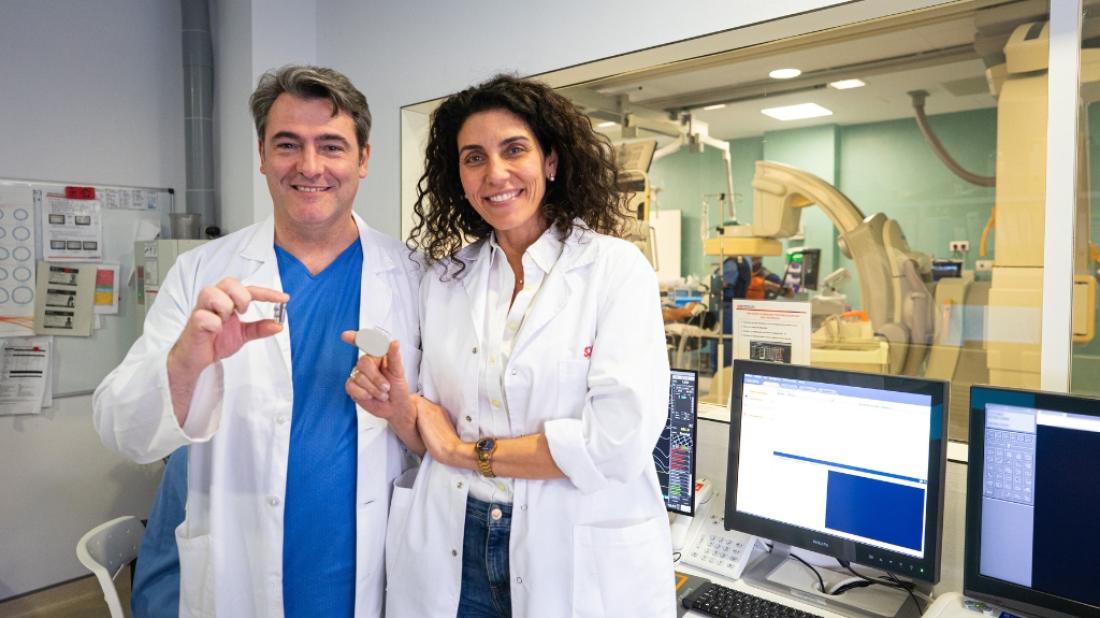
SJD and Abbott staff have designed a pacemaker measuring just two centimetres, as conventional ones are too large for newborns.
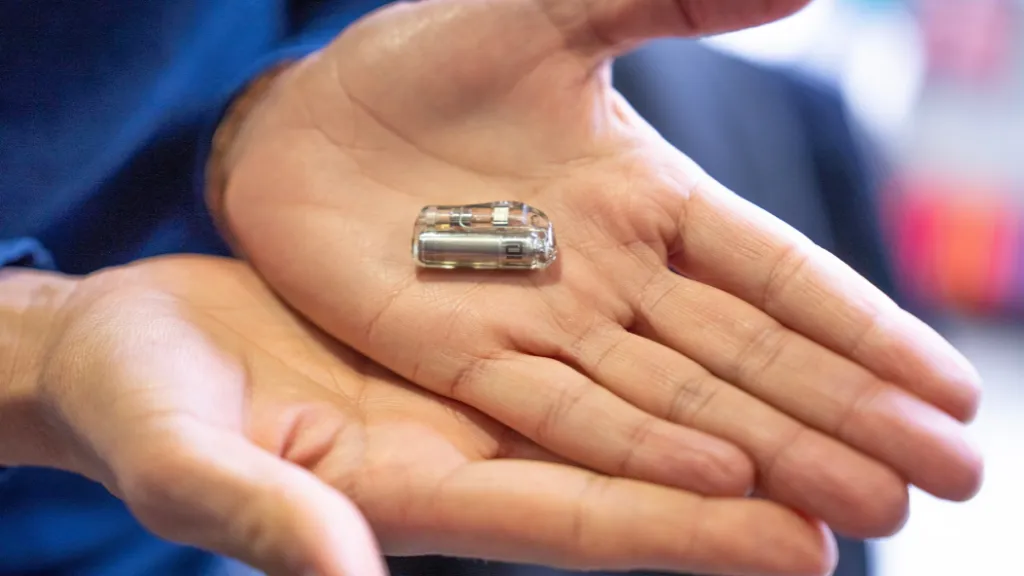
The SJD Barcelona Children's Hospital has implanted the world's smallest pacemaker into a newborn weighing just 2.1 kilograms after detecting a serious heart condition during pregnancy. Conventional pacemakers measure around six centimetres, which is too large for a newborn and can cause complications such as organ compression or infections. Faced with this limitation, the Hospital team worked with Abbott to develop a synchronised pacemaker based on the AVEIR platform, specifically adapted for babies.
Heart problems in the fetus
During the second trimester of pregnancy, professionals detected that the fetus's heart was beating too slowly and was very dilated due to a complete atrioventricular block. This is a serious disorder that prevents electrical impulses from passing correctly between the heart chambers.
As a result, the heart beats much slower than normal (bradycardia), which can cause insufficient blood and oxygen to reach the body. To try to compensate for the slow heart rate, the heart increases in size, as was the case here.
From that moment on, the team at the SJD Barcelona Children's Hospital began to closely monitor the pregnancy. At the end of January, the specialists observed a worsening of the condition and decided to bring forward the delivery. The baby girl was born on 2 February, weighing only 2.1 kilograms and with severe bradycardia, which caused clinical deterioration with a risk of heart failure.
In her first few hours of life, she was fitted with a temporary pacemaker to stabilise her. But the real challenge came later: conventional devices are too large for such a small newborn.
A pacemaker for babies
The new pacemaker, measuring approximately two centimetres—the smallest in the world in its category—allows the heartbeat to be stimulated and coordinated properly, which is essential in such a small and previously dilated organ, explains Dr Georgia Sarquella-Brugada, Head of the hospital's Pediatric Cardiology Department.
A few hours after birth, the cardiac surgery team, led by Dr. Stefano Congiu, performed the final implantation. Sixteen medical professionals from different specialties—Pediatric Cardiology, Cardiac Surgery, Anesthesia, and Neonatology—took part in the procedure, as well as engineers specialising in medical devices.
'In Pediatric Cardiology, there are often no standard solutions. When we are talking about a two-kilogram baby, we have to adapt our technology to their size and physiology. This case shows that collaboration between doctors and engineers can make the difference between having no options and being able to save a life', explains Sarquella-Brugada. 'It is also a clear example of corporate social responsibility and industry collaboration because, given the small number of patients who can benefit, it has little commercial profitability', she adds.
As the device was specially adapted for this case, the team requested urgent authorisation from the Spanish Agency for Medicines and Health Products (AEMPS), which responded in just five hours, allowing them to operate quickly.
The little girl has progressed well and, after 20 days in hospital, has been discharged. She will be able to lead a normal life and will only need to attend regular check-ups at the hospital.
Several babies are born with severe congenital heart blockages each year in Spain. In the most severe cases, early fitting of a pacemaker can be essential to their survival.
Related news